Information and interaction research
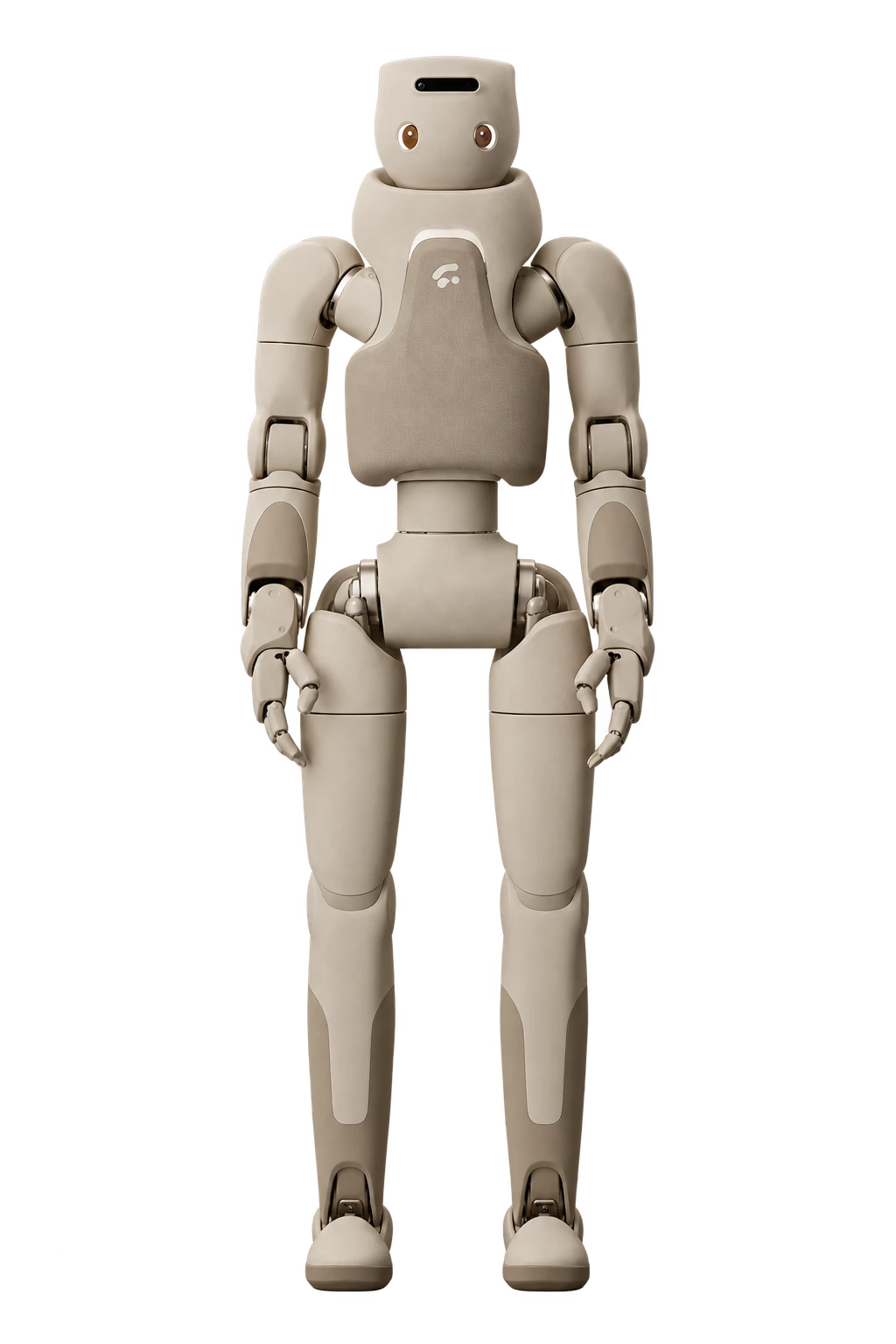
A pilot could study wayfinding information or conversation in a controlled space. Answers should use approved organisational information and direct medical questions to staff. We do not present humanoids as diagnostic or therapeutic tools or caregiver replacements. A friendly appearance does not establish clinical suitability. Research selection depends on scenario, participants and appropriate project approvals.
Hygiene, foot traffic and data access
Check cleaning compatibility with both robot instructions and facility requirements. Soft covers, gaps and hands may need different procedures. Do not assume disinfectant resistance. Define camera, microphone and remote-support permissions. Start away from incidental patient-record access. Assess routes for people with reduced mobility.
How can a pilot be measured without clinical claims?
Measure organisational answer accuracy, staff handover and supervision time. Assess participant comfort within the agreed study design. Interest or conversation counts do not establish therapeutic effects. Separate application outcomes, participant responses and hardware reliability. Clinical use needs its own assessment process; an informational catalogue cannot replace it.
What belongs in a humanoid enquiry?
Describe one task, the space without unnecessary personal data, object dimensions and the current workflow. Include timing, location, budget and acceptance owners. Ask about robot version, software, autonomy, operator role and operating limits. Separate current functions from planned updates. This brief helps compare the actual scope of different suppliers.
Budget: hardware, commissioning and maintenance
Compare purchase, fixed-period rental and an outcome-defined pilot. Leasing or subscription availability needs confirmation for the device and customer. Include transport, integration, licences, training, operators, parts and downtime. A foreign base price does not establish an installed Polish project cost. Use your quotations and measured labour time, not a promise of replacing a full-time role.
Acceptance, parts and the next step
Agree success and stop criteria before testing. Report completed tasks, failures, human assistance and recovery time. Match parts by serial number and hardware revision; clarify diagnostics and responsibility after software updates. Results may support expansion, scope changes or ending the pilot. HumanoidPoint helps prepare selection and supplier discussions; model lists do not confirm stock, manufacturer authorisation or service availability.