From a workstation task to humanoid selection
Start with one workflow: picking a part at a defined location, moving it and placing it within the next operation’s tolerance. Describe mass, centre of gravity, gripping surface and part variants. Feeding an empty container and force-controlled assembly are different projects. Consider humanoids where arms, mobility and human-oriented equipment are useful. Walking ability alone does not establish economic value.
How should industrial demonstrations be interpreted?
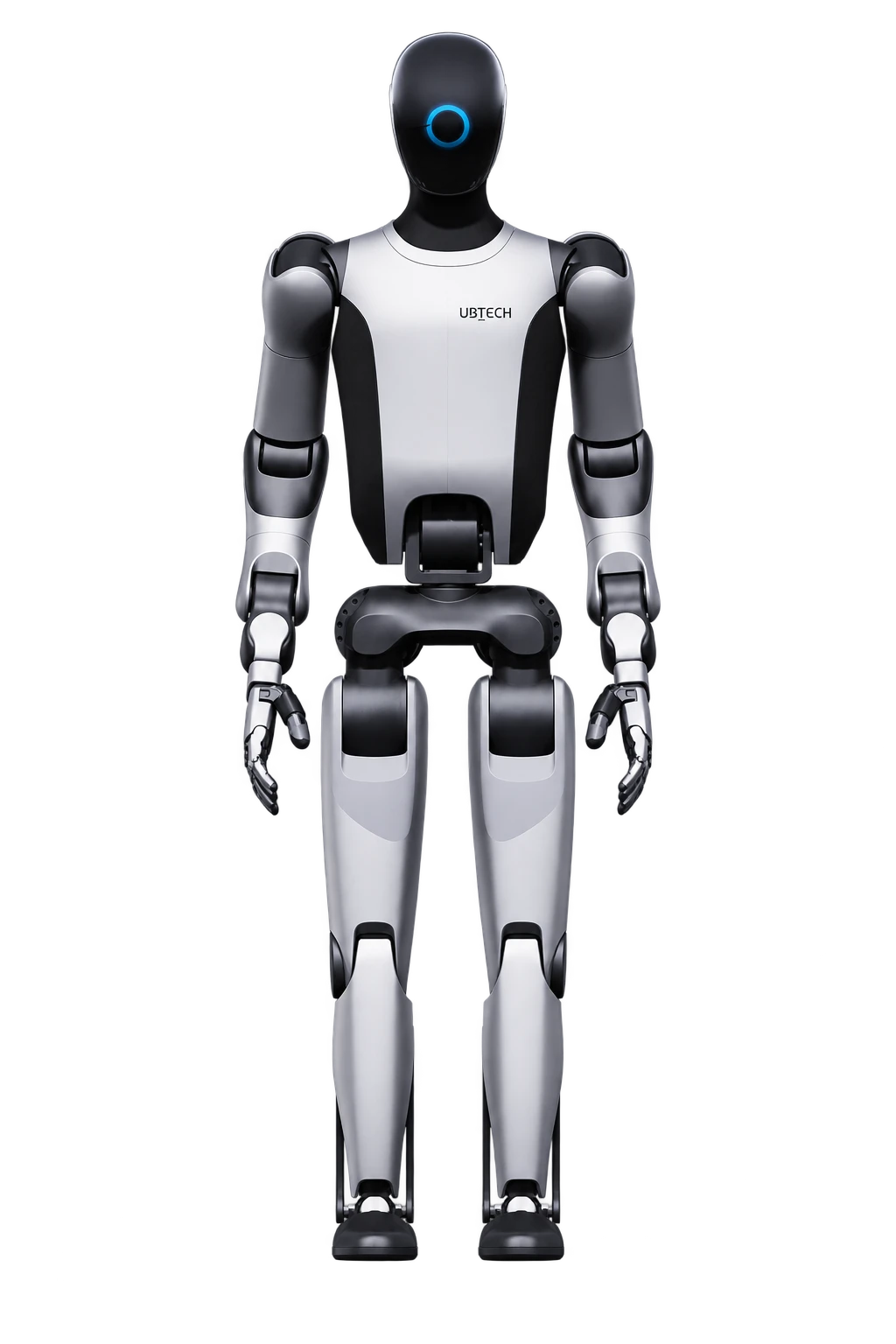
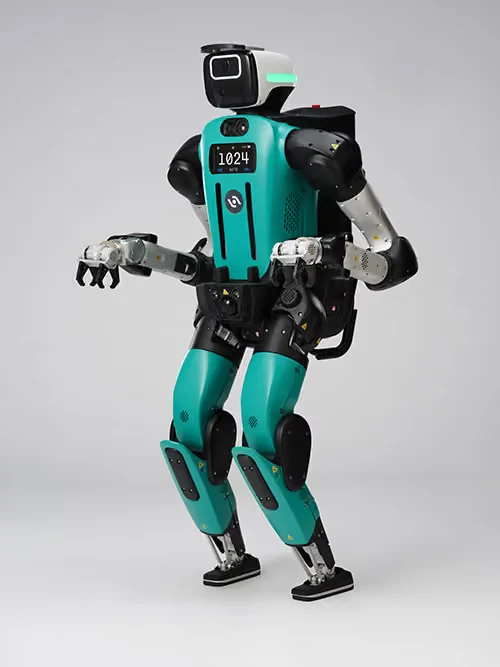
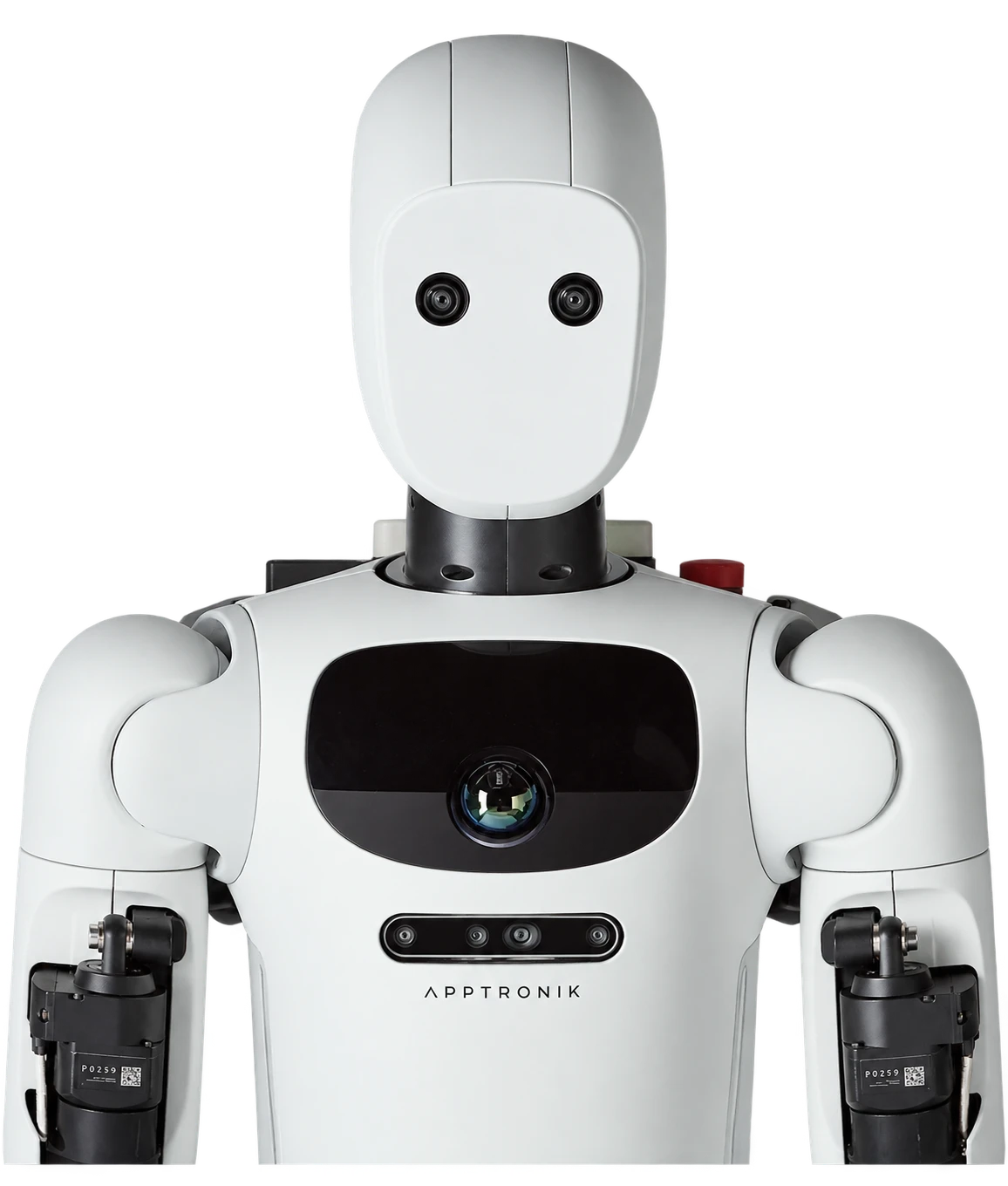
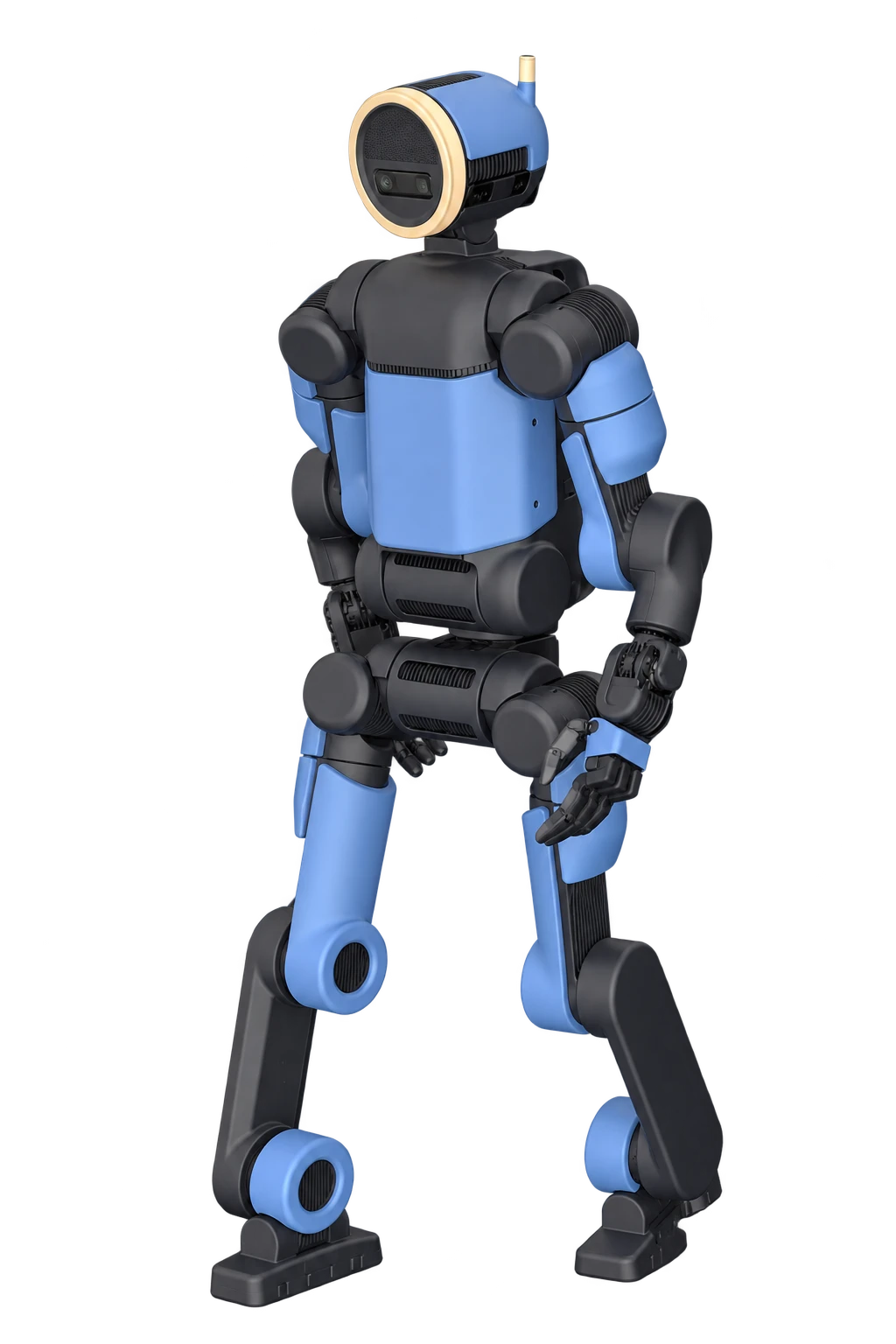
Walker S2, Atlas, Apollo and Digit represent different industrial approaches. Treat them as candidates for technical discussions, not interchangeable machines. A factory video does not establish interventions, full-shift cycle time or Polish availability. Request a trial with your part, operator involvement and current contractual scope. Results from a previous generation do not automatically apply to a new model.
Line integration and process acceptance
Agree workstation-ready signals, part-transfer confirmation and missing-part behaviour. PLC, order-system and machine-documentation access need a separate integration scope. Test restart, rejected grasps and batch changes. Record accepted parts per hour, damage, intervention time and downtime. Define who assesses the whole workstation and signs acceptance; a robot specification does not replace process assessment.
Parts and multi-shift operation
Maintenance should cover batteries, hands or grippers, actuators, cables and sensors in the actual configuration. Establish recovery time, not only service response time. Module replacement may require calibration and another grasp test. Before adding shifts, confirm charging, operator responsibilities and compatible spare availability. Base stock levels on downtime consequences and lead times.
What belongs in a humanoid enquiry?
Describe one task, the space without unnecessary personal data, object dimensions and the current workflow. Include timing, location, budget and acceptance owners. Ask about robot version, software, autonomy, operator role and operating limits. Separate current functions from planned updates. This brief helps compare the actual scope of different suppliers.
Budget: hardware, commissioning and maintenance
Compare purchase, fixed-period rental and an outcome-defined pilot. Leasing or subscription availability needs confirmation for the device and customer. Include transport, integration, licences, training, operators, parts and downtime. A foreign base price does not establish an installed Polish project cost. Use your quotations and measured labour time, not a promise of replacing a full-time role.
Acceptance, parts and the next step
Agree success and stop criteria before testing. Report completed tasks, failures, human assistance and recovery time. Match parts by serial number and hardware revision; clarify diagnostics and responsibility after software updates. Results may support expansion, scope changes or ending the pilot. HumanoidPoint helps prepare selection and supplier discussions; model lists do not confirm stock, manufacturer authorisation or service availability.