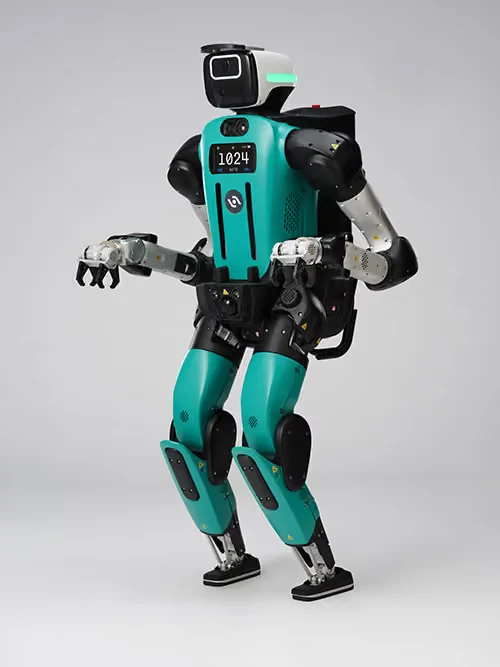
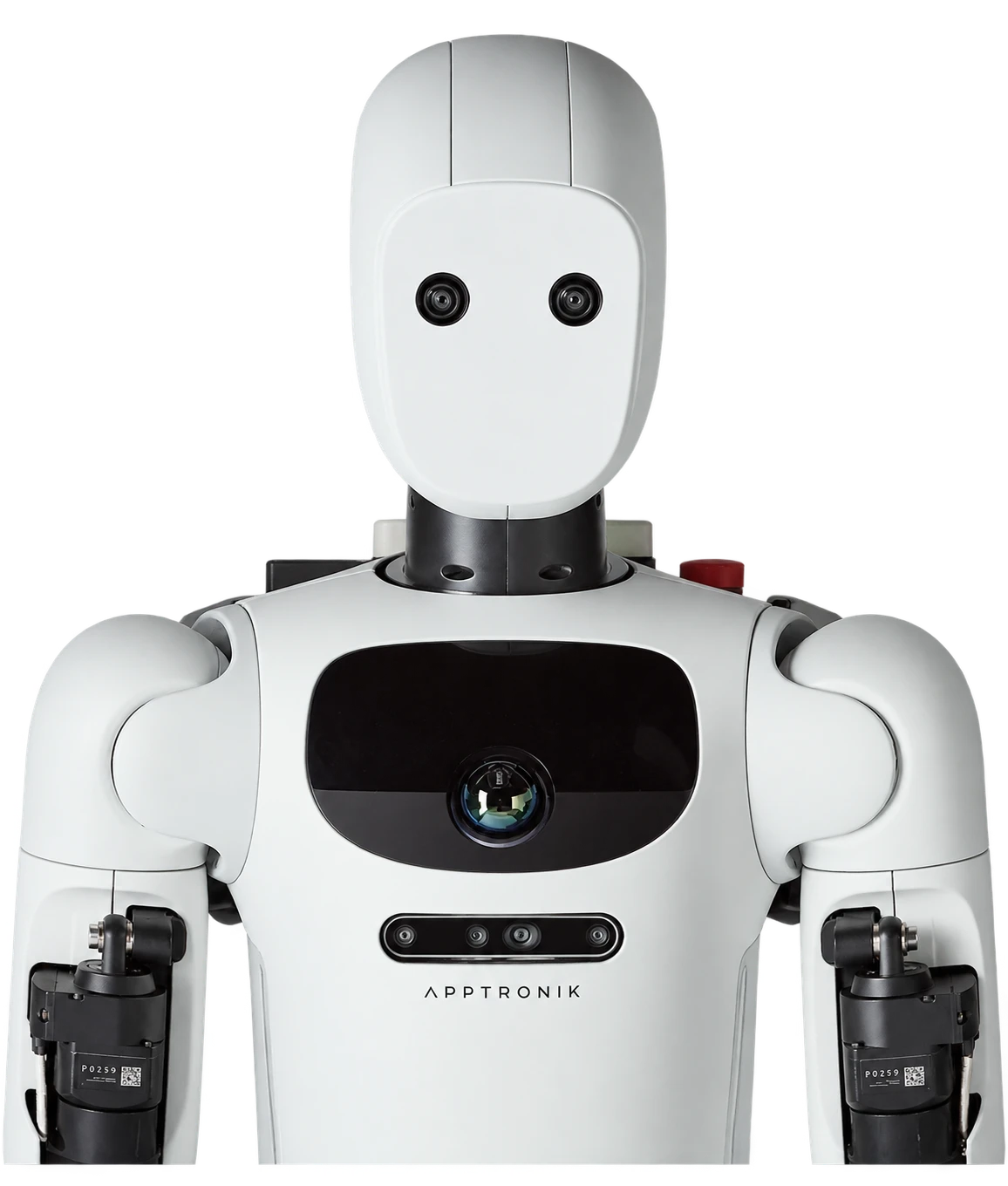
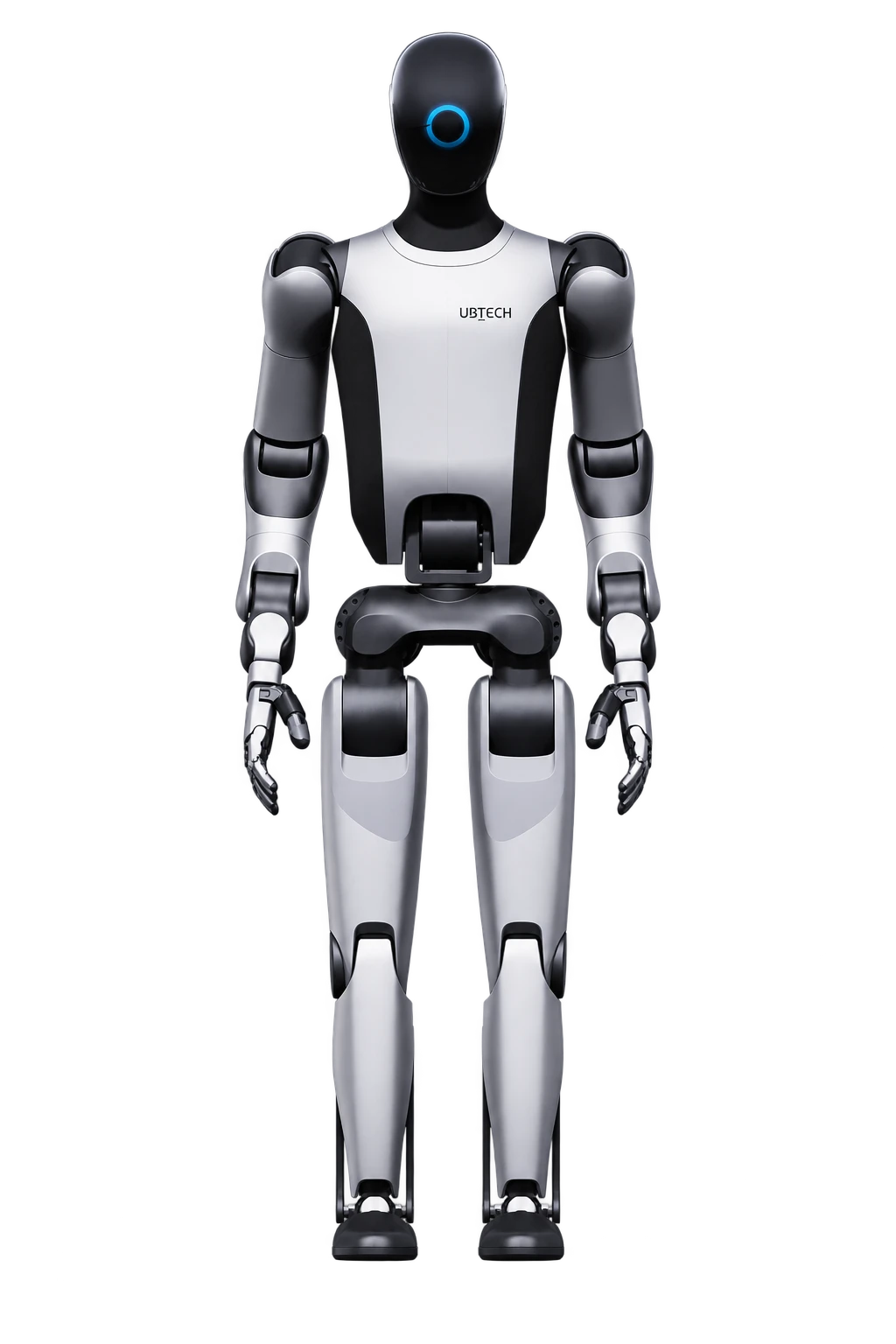
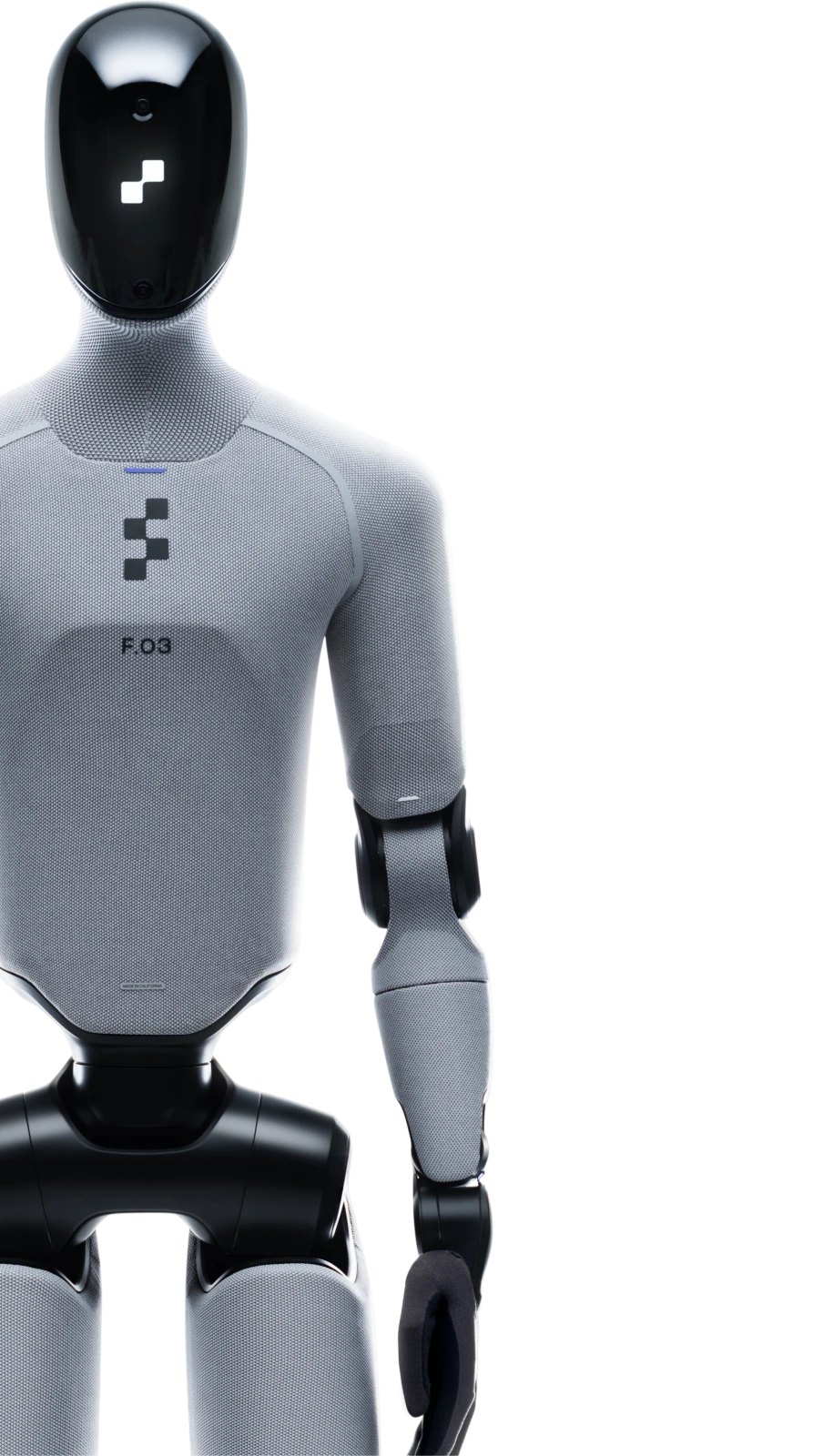
Describe one task, the space without unnecessary personal data, object dimensions and the current workflow. Include timing, location, budget and acceptance owners. Ask about robot version, software, autonomy, operator role and operating limits. Separate current functions from planned updates. This brief helps compare the actual scope of different suppliers.
Warehouse humanoids: grasping and transferring loads
Limit container types and placement heights in the first project. Measure loaded and empty mass, grasp width, wall flex and handle position. Specify whether pickup is from a conveyor, shelf or floor. Rated payload does not promise handling of any carton. Reach, centre of gravity and grasp requirements may constrain the task more than mass.
Picking and flow exceptions
Mixed-product picking requires much more than moving one demonstrated tote. Check package recognition, damaged-item handling, identifiers and missing stock. Start with a narrow SKU set and define human escalation. Do not infer autonomy in busy aisles from a controlled demonstration. Include workers and actual replenishment patterns in the trial.
Budget: hardware, commissioning and maintenance
Compare purchase, fixed-period rental and an outcome-defined pilot. Leasing or subscription availability needs confirmation for the device and customer. Include transport, integration, licences, training, operators, parts and downtime. A foreign base price does not establish an installed Polish project cost. Use your quotations and measured labour time, not a promise of replacing a full-time role.
Information to start
- Warehouse humanoids: grasping and transferring loads
- Picking and flow exceptions
- WMS, throughput and cost per successful operation
- Which models should be compared?
Deliverable to agree
Agree success and stop criteria before testing. Report completed tasks, failures, human assistance and recovery time. Match parts by serial number and hardware revision; clarify diagnostics and responsibility after software updates. Results may support expansion, scope changes or ending the pilot. HumanoidPoint helps prepare selection and supplier discussions; model lists do not confirm stock, manufacturer authorisation or service availability.