Humanoid comparisons

Unitree G1 vs Unitree H2 — comparison

Compact G1 and full-size H2 require different space, logistics and test organisation.

Does the task require human-sized reach?

For an existing workstation measure bench height, reach and motion space. For demonstrations or algorithms, a larger robot may add transport and organisation costs without improving outcomes. Check EDU, hand and computer differences. Joint count alone is insufficient: interfaces, task stability and acceptance conditions matter.
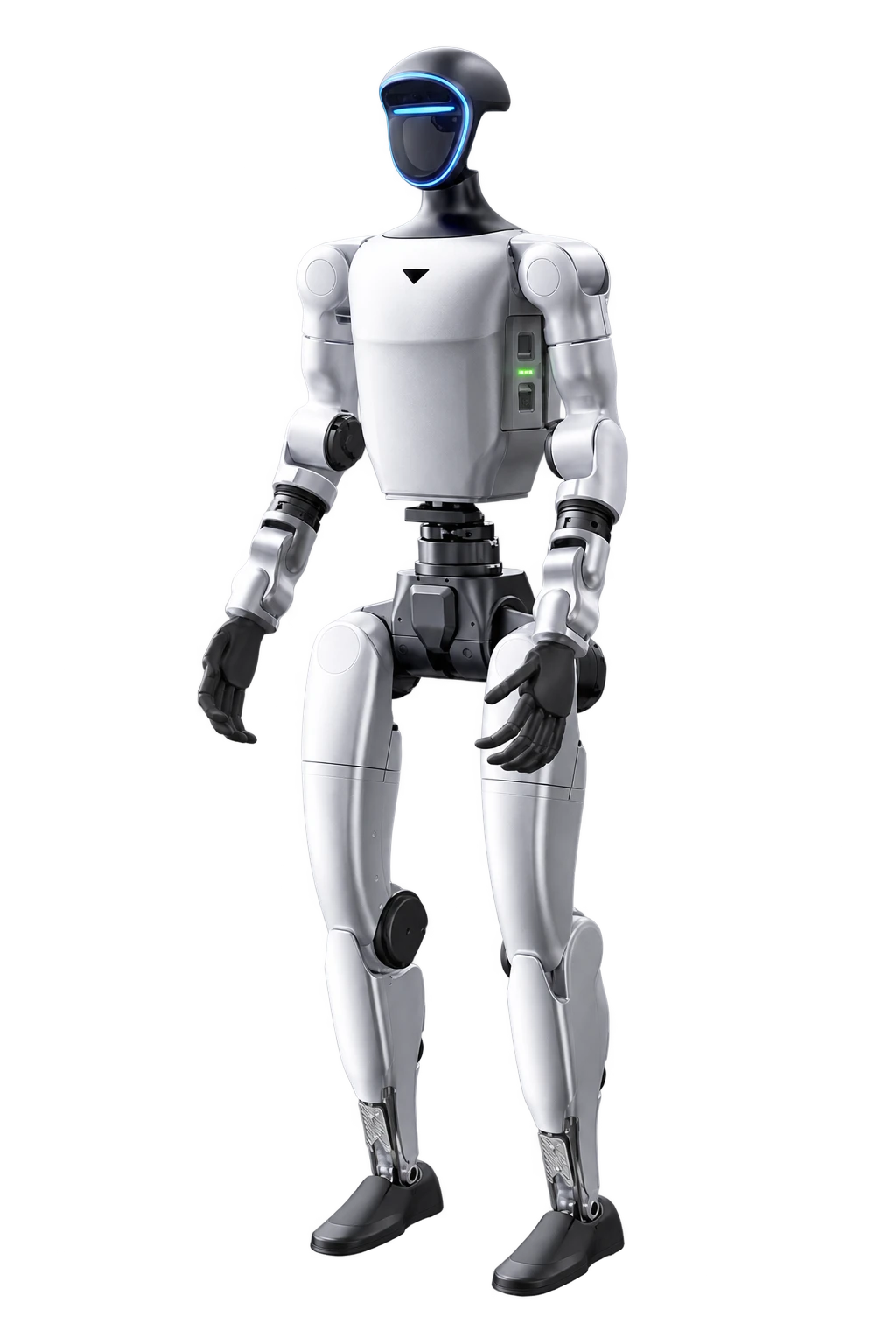
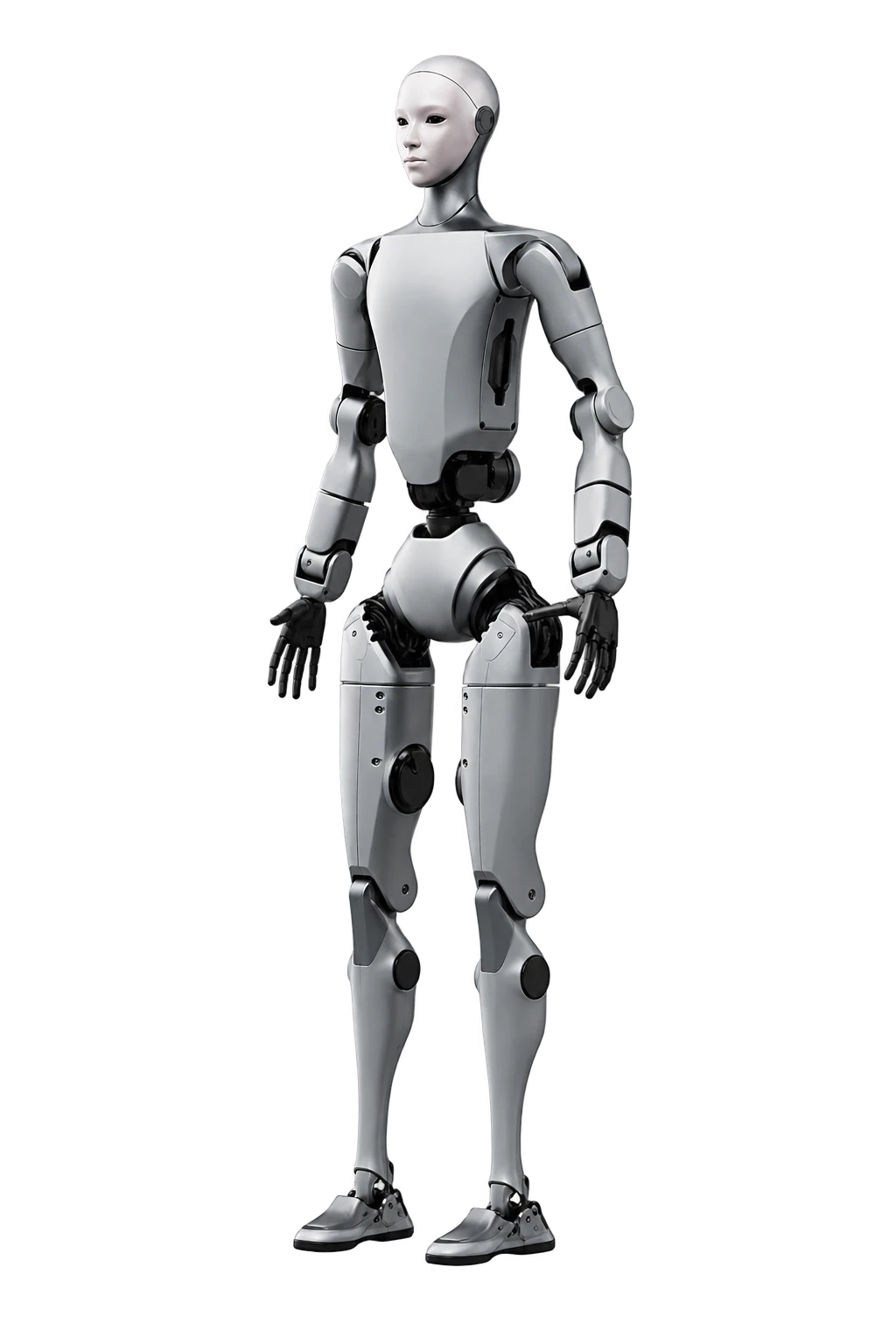
CriterionUnitree G1Unitree H2
Project profileResearch platformResearch platform
Key specifications132 cm height
approx. 35 kg mass with battery
approx. 2 h runtime
182 cm height
70 kg mass with battery
31 degrees of freedom
What to checkThe base and EDU versions differ in software development options. Some manufacturer demonstrations show features still in development. Operation around people requires a safety assessment and appropriate demonstration arrangements.Hand and computer equipment depend on the version. Arm figures distinguish rated and peak values; peak capacity must not be presented as sustained payload.
Manufacturer sources; check dates in model profiles: Unitree G1 ↗ · Unitree H2 ↗
HumanoidPoint recommendations concern project preparation. Hardware data comes from the linked manufacturers; it does not confirm an offer or performance at your facility.

Models to explore

Full catalogue ↗
HumanoidUnitree G1 — manufacturer material
Unitree

Unitree G1

A compact humanoid platform for demonstrations and application development.

132 cmheight
approx. 35 kgmass with battery
approx. 2 hruntime
Research platform
HumanoidUnitree H2 — manufacturer material
Unitree

Unitree H2

A full-size humanoid with 31 degrees of freedom and a separate EDU development version.

182 cmheight
70 kgmass with battery
31degrees of freedom
Research platform

Model profiles are informational. Device selection requires confirmation of configuration and conditions of use.