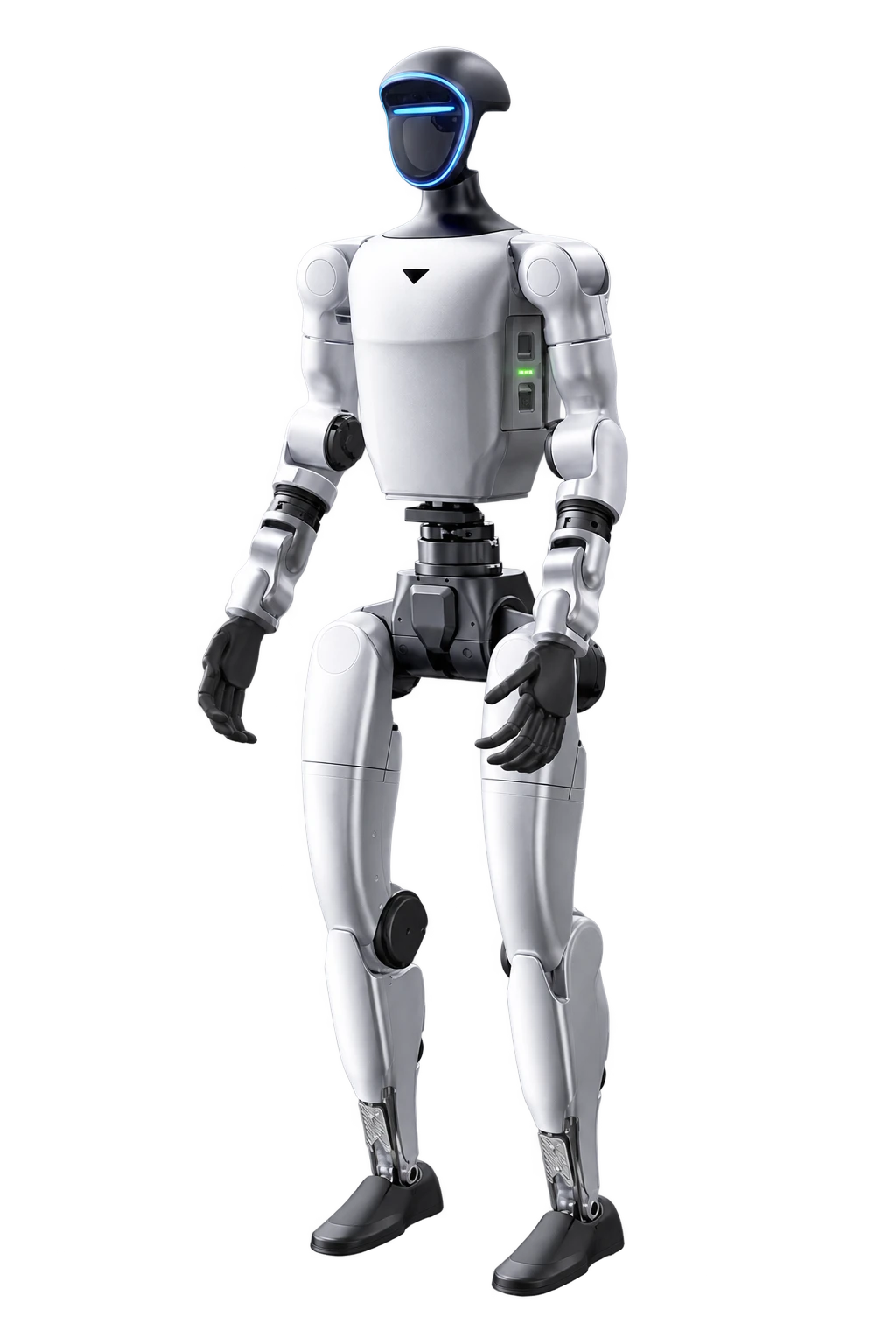
UnitreeResearch platform
Unitree G1
A compact humanoid platform for demonstrations and application development.
132 cmheight
approx. 35 kgmass with battery
approx. 2 hruntime
HUMANOIDS / MARKET GUIDE
Compare business humanoids: research platforms, interaction models and industrial projects. Specifications, limits, parts and selection criteria.
Unitree R1, G1, H1 and H2: start with variant, SDK and experiment requirements.
Digit 5, Apollo 2, Figure 03, Walker S2 and Atlas: assess task, integration and deployment access.
Fourier GR-3 and demonstration platforms: define script, supervision and actual autonomy.
HumanoidPoint editorial team · review 27.09.2026
Which humanoids deserve attention? Deployment signals, research platforms, shows and emerging projects, with dates and sources.
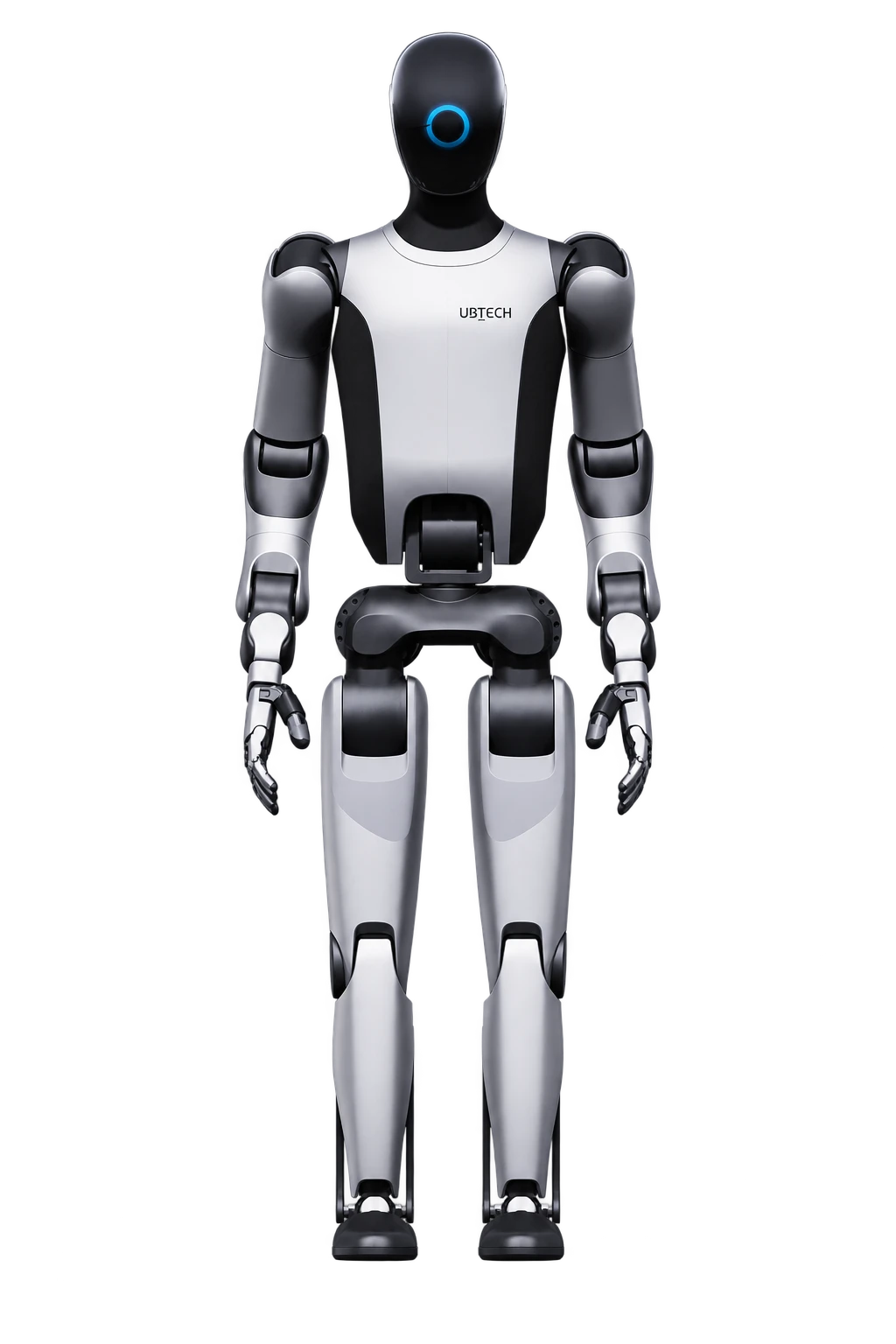
GXO, earlier Digit generations and Walker S2 development: distinguish customer deployments from new-model demonstrations.
Explore the direction ↗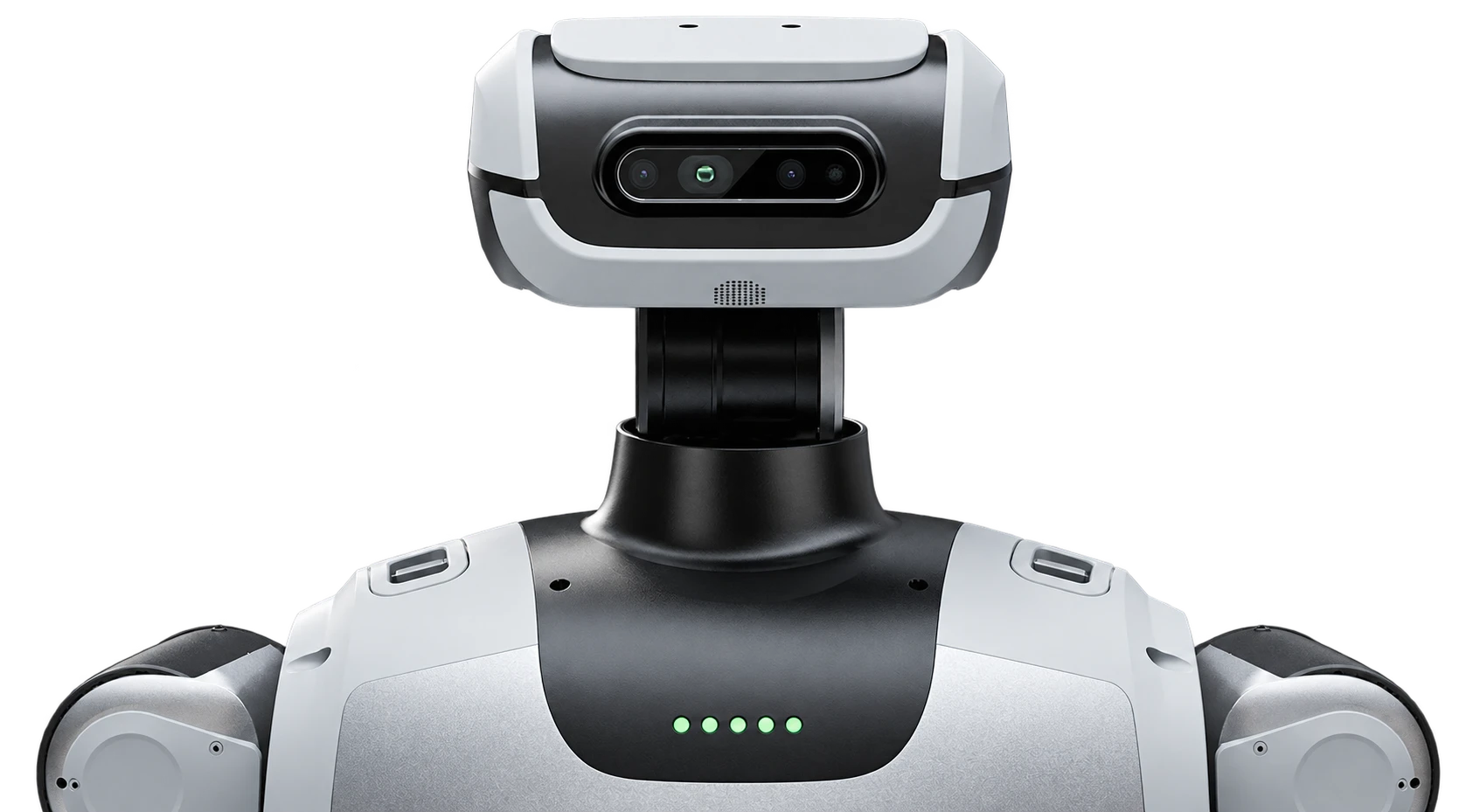
Unitree, LimX, Booster, AGIBOT and DOBOT: assess algorithm-development platforms and laboratory cost.
Explore the direction ↗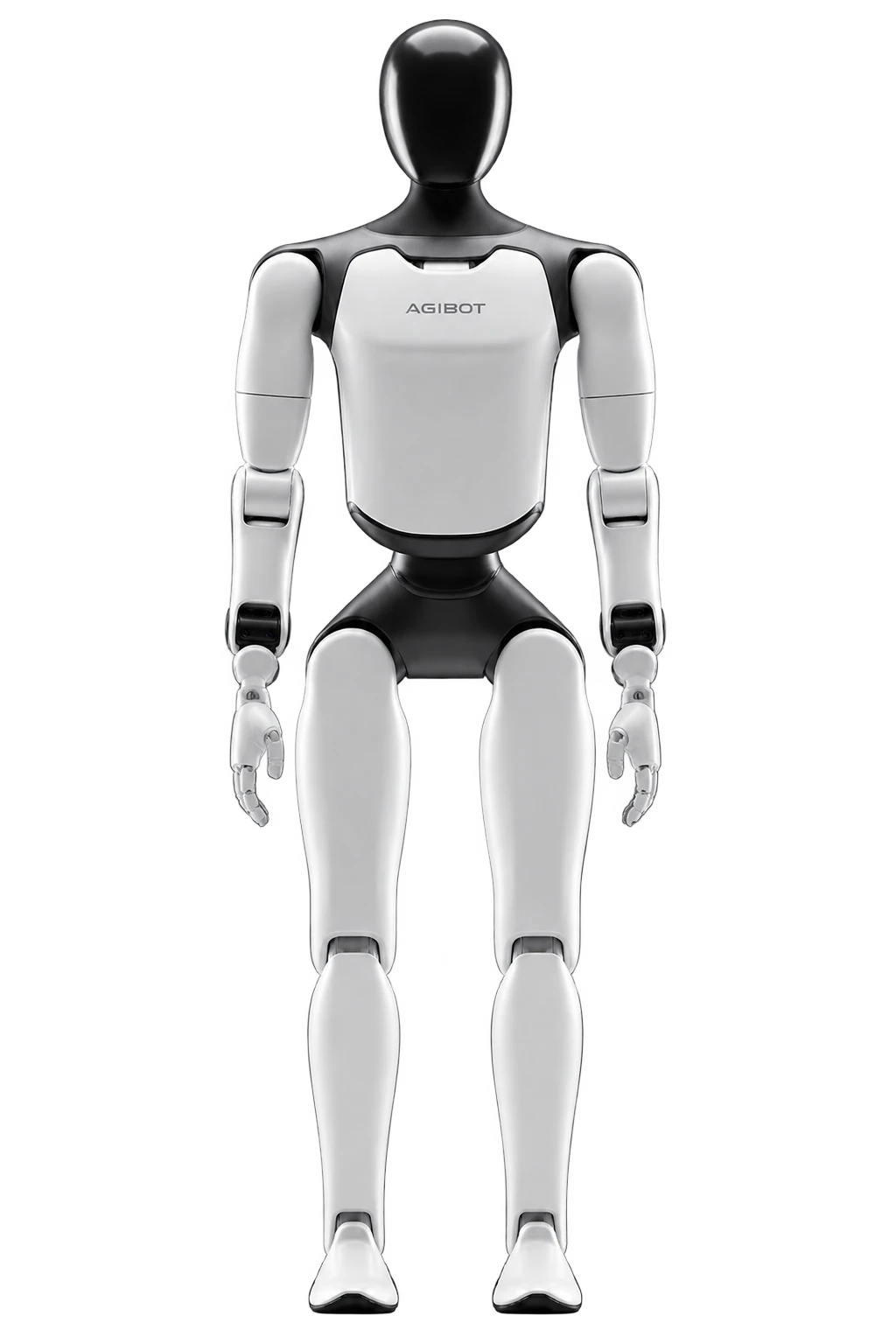
AGIBOT A2, A3, X2 Ultra and Walker C: compare shows, conversation and guiding as distinct services.
Explore the direction ↗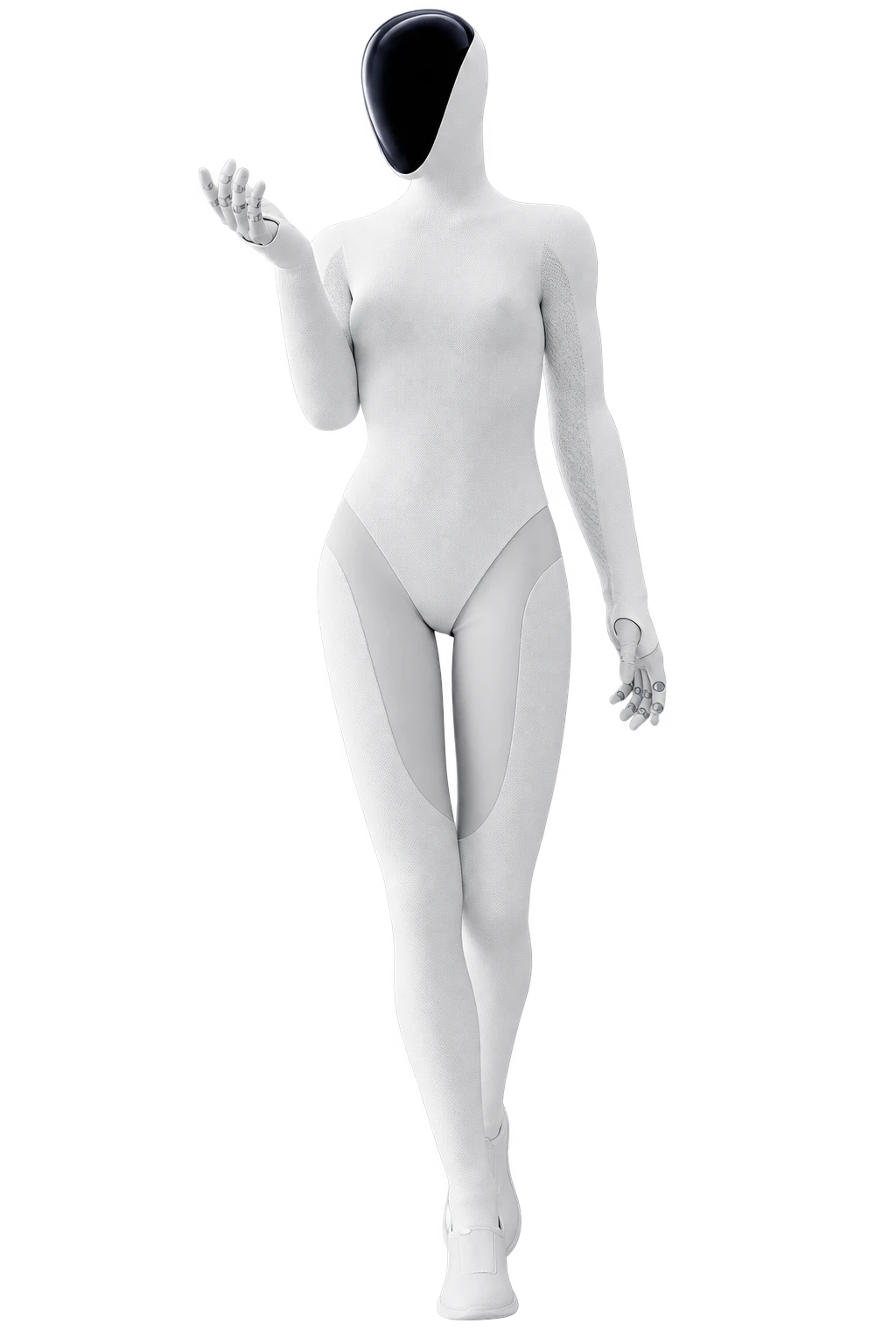
Separate Early Access, product development, production commissioning and customer deliveries. Each stage means something different.
Explore the direction ↗Models in the catalogue: 33
A compact humanoid platform for demonstrations and application development.
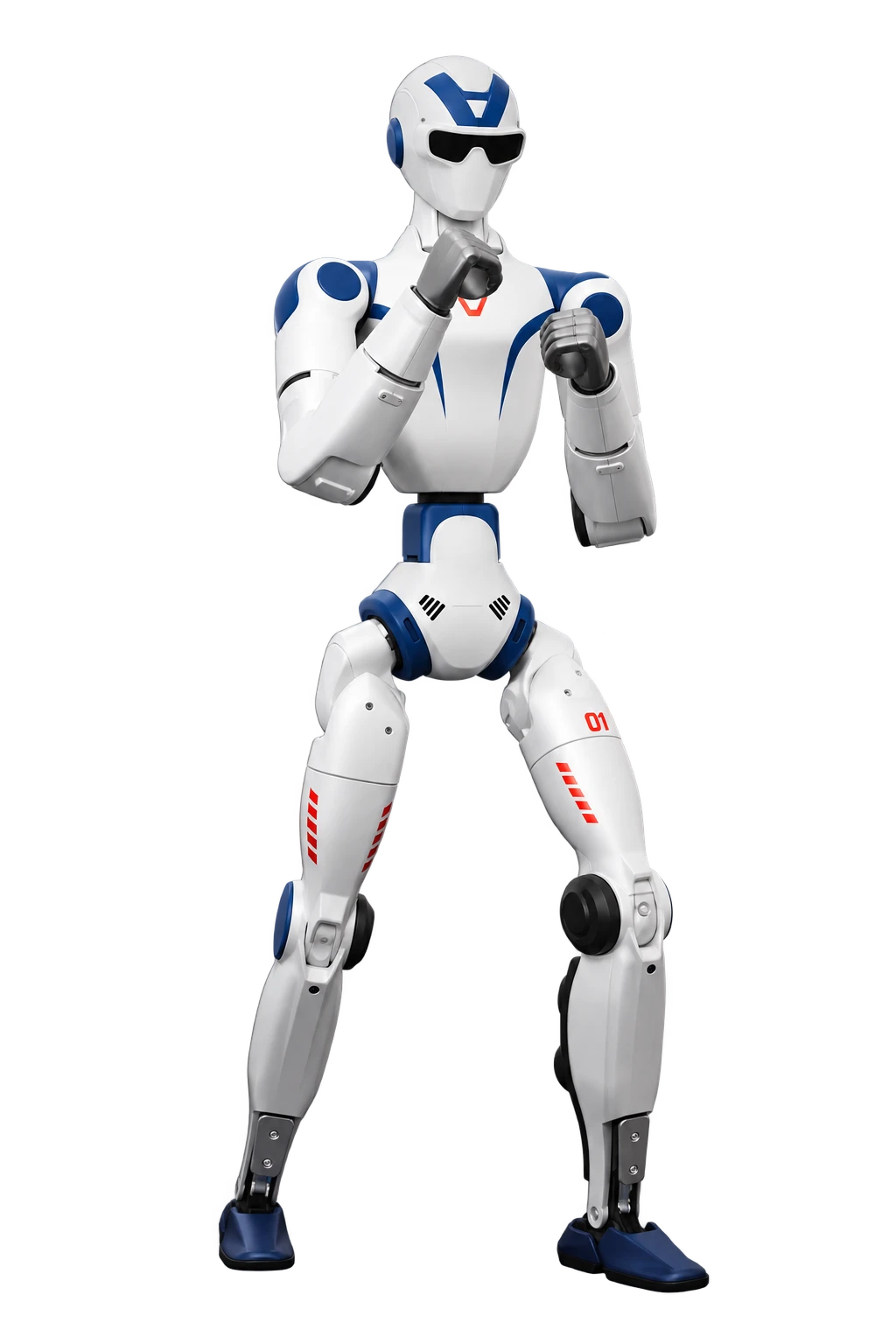
A lightweight humanoid for motion learning and development; AIR, R1 and EDU versions differ.
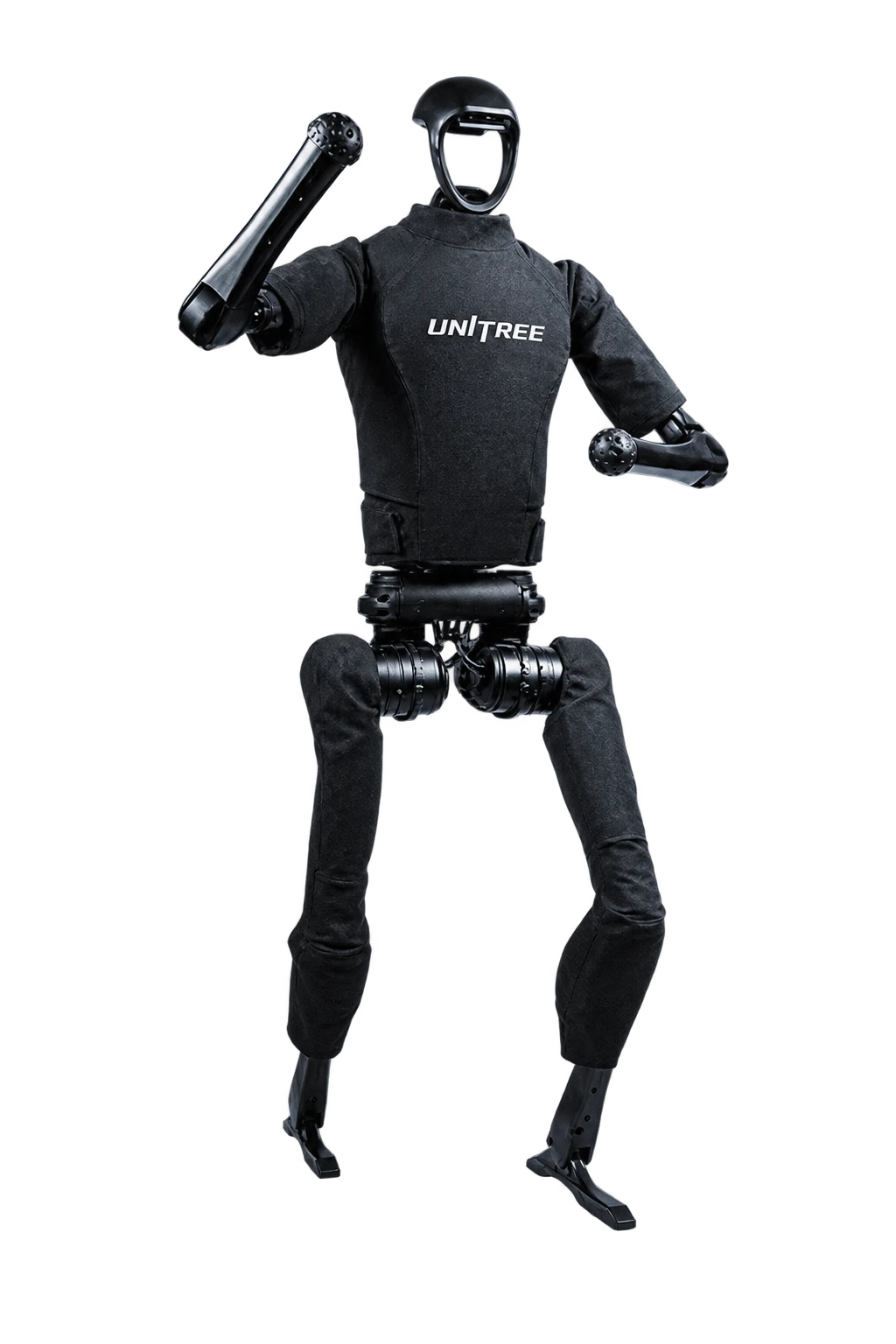
A full-size platform for locomotion research. H1 and H1-2 are distinct configurations.
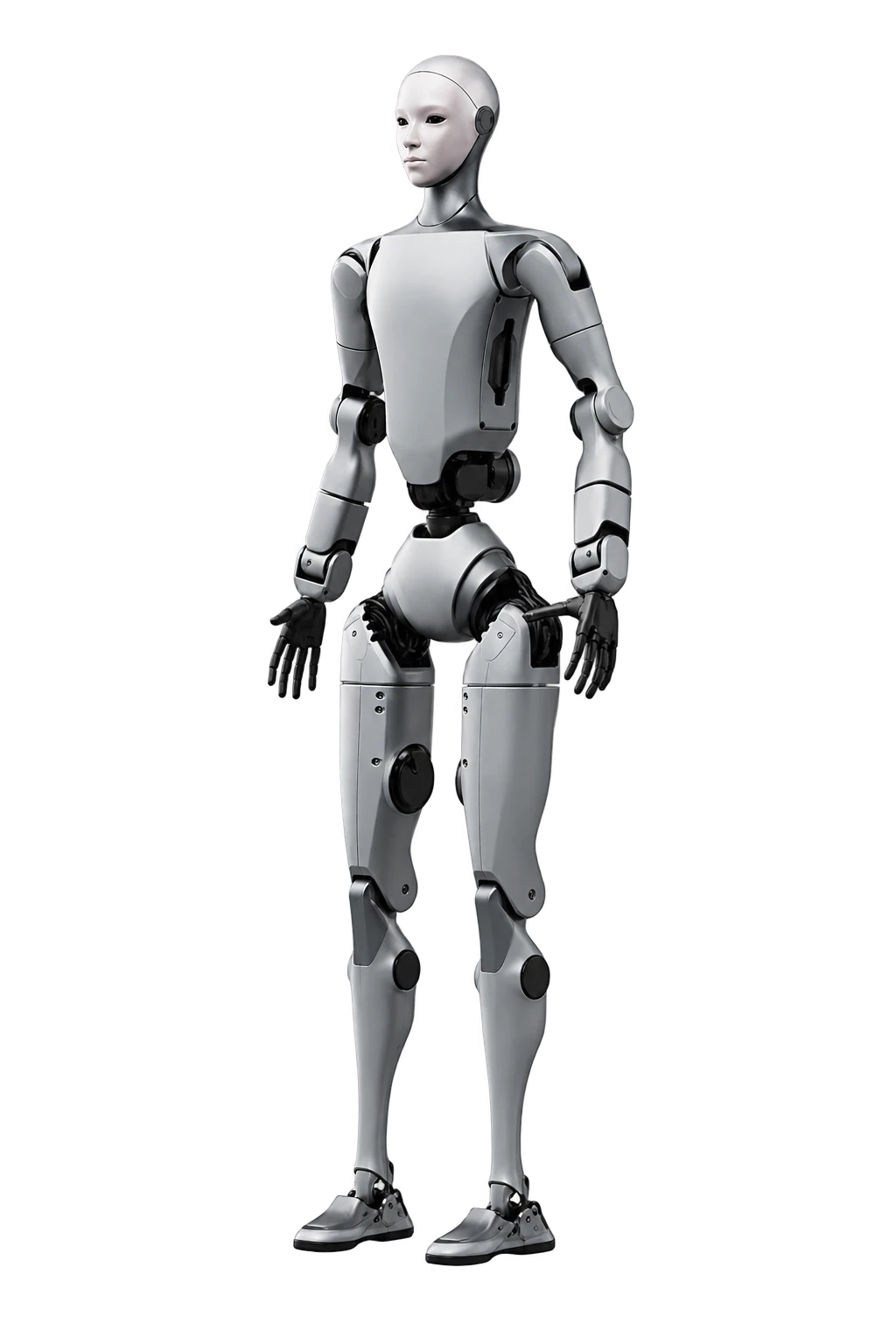
A full-size humanoid with 31 degrees of freedom and a separate EDU development version.
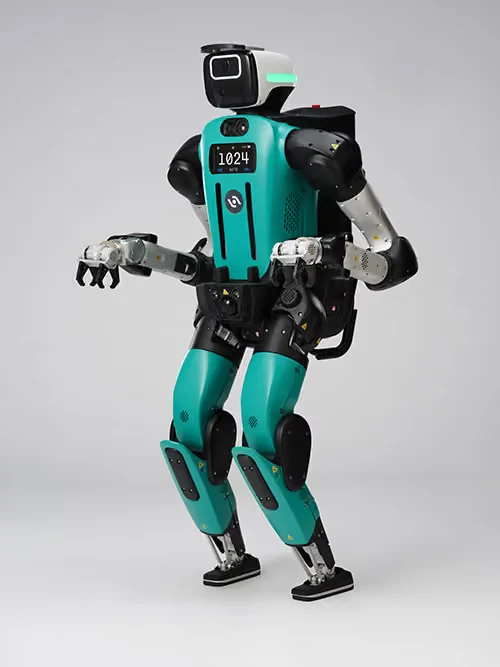
A new logistics humanoid generation. Published Digit 5 specifications are preliminary manufacturer estimates.
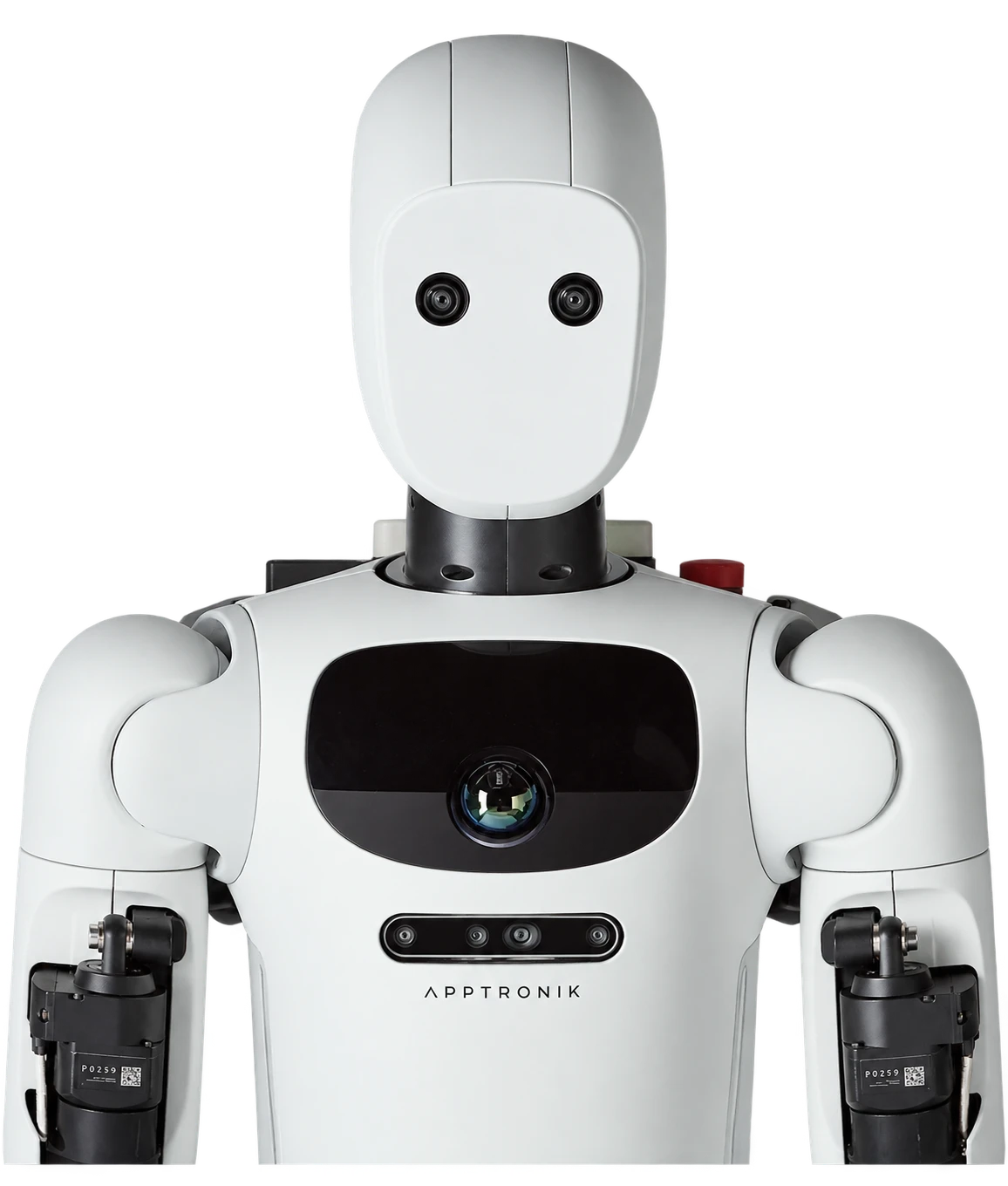
The bipedal Apollo 2 configuration for industrial manipulation development. Confirm application scope, configuration and availability.
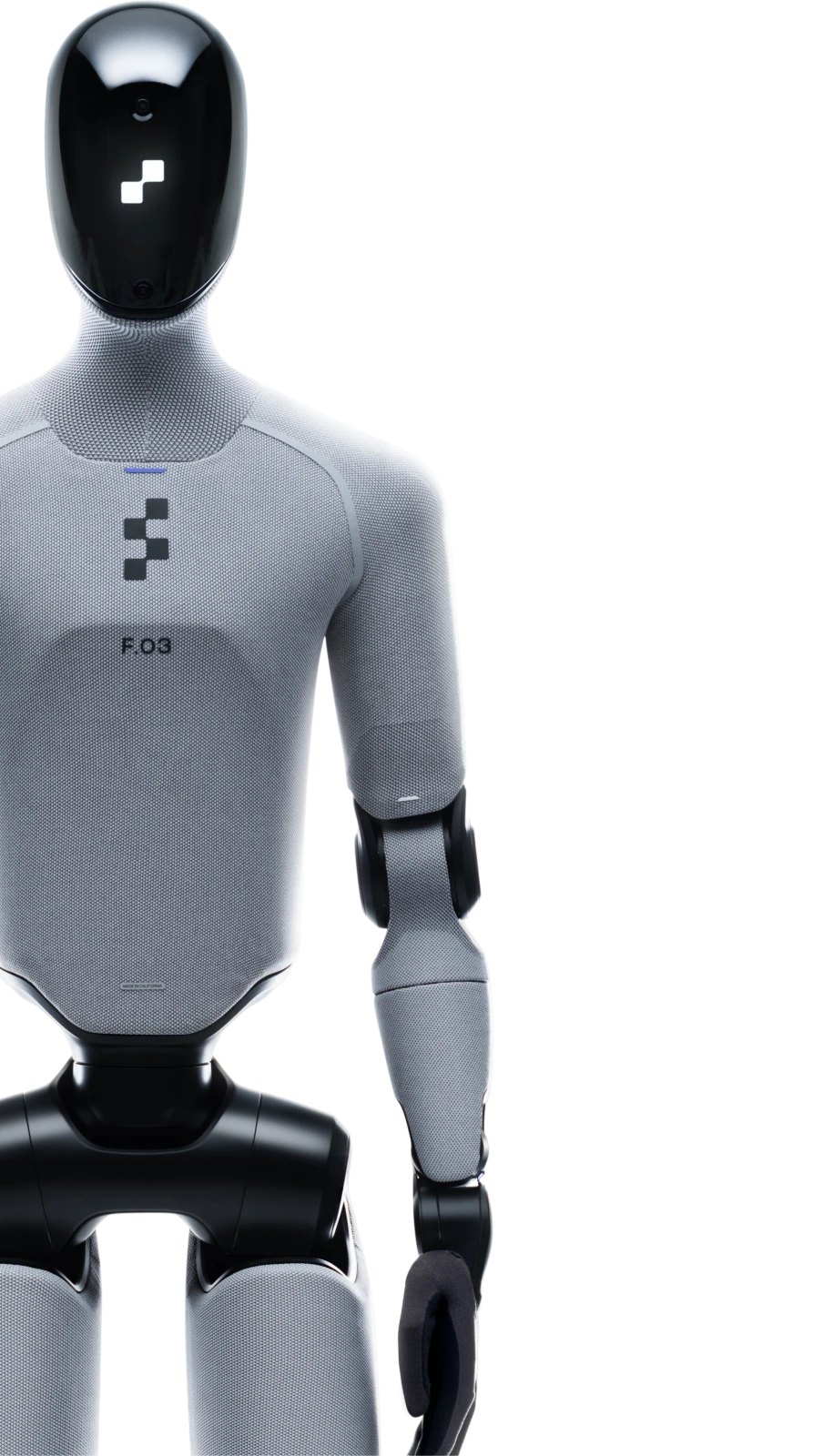
A humanoid for manipulation and interaction; separate manufacturer reports describe industrial trials at BMW.
An industrial humanoid developed for automatic battery swapping and material handling.
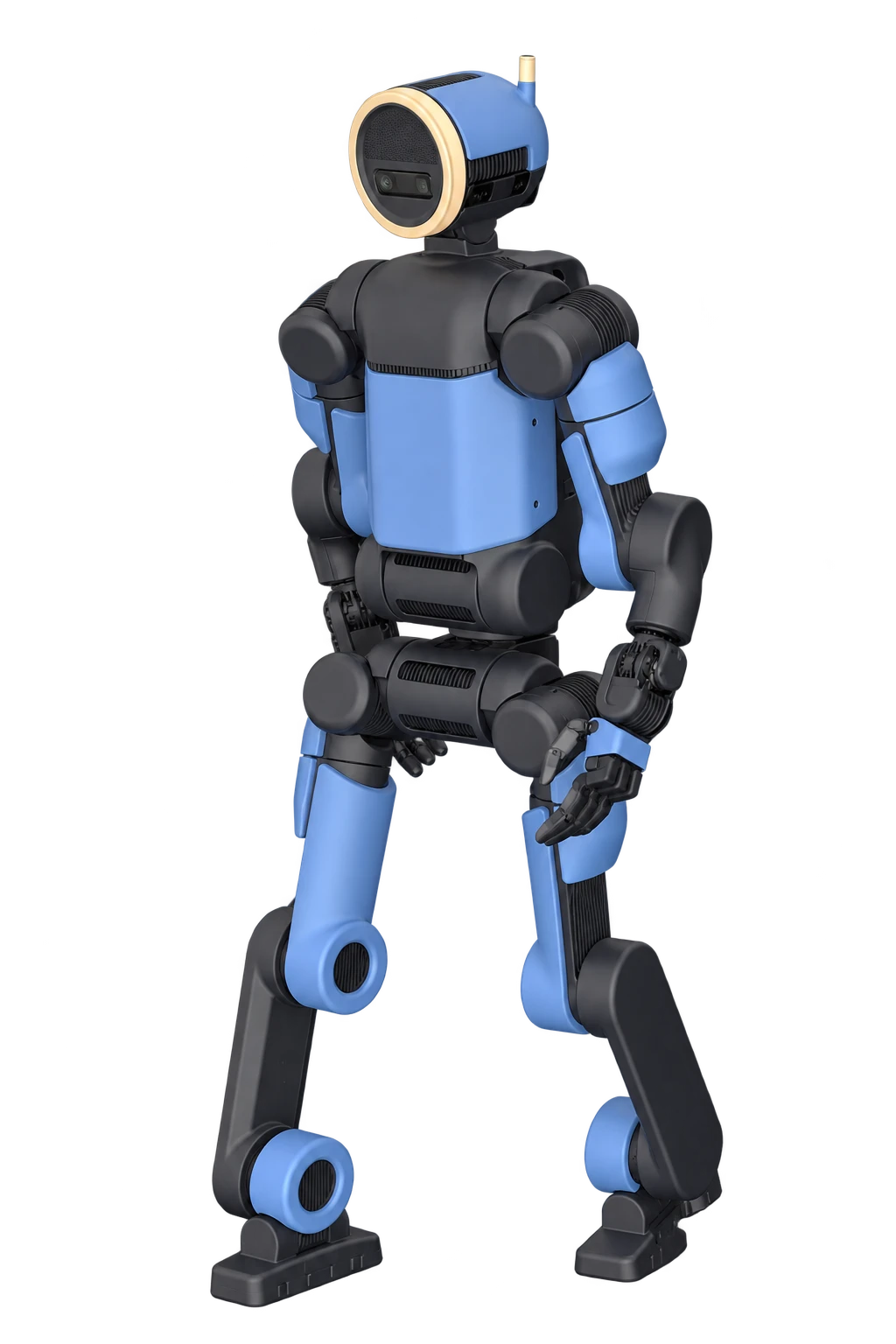
Electric Atlas in its 2026 production version, designed for industrial tasks.
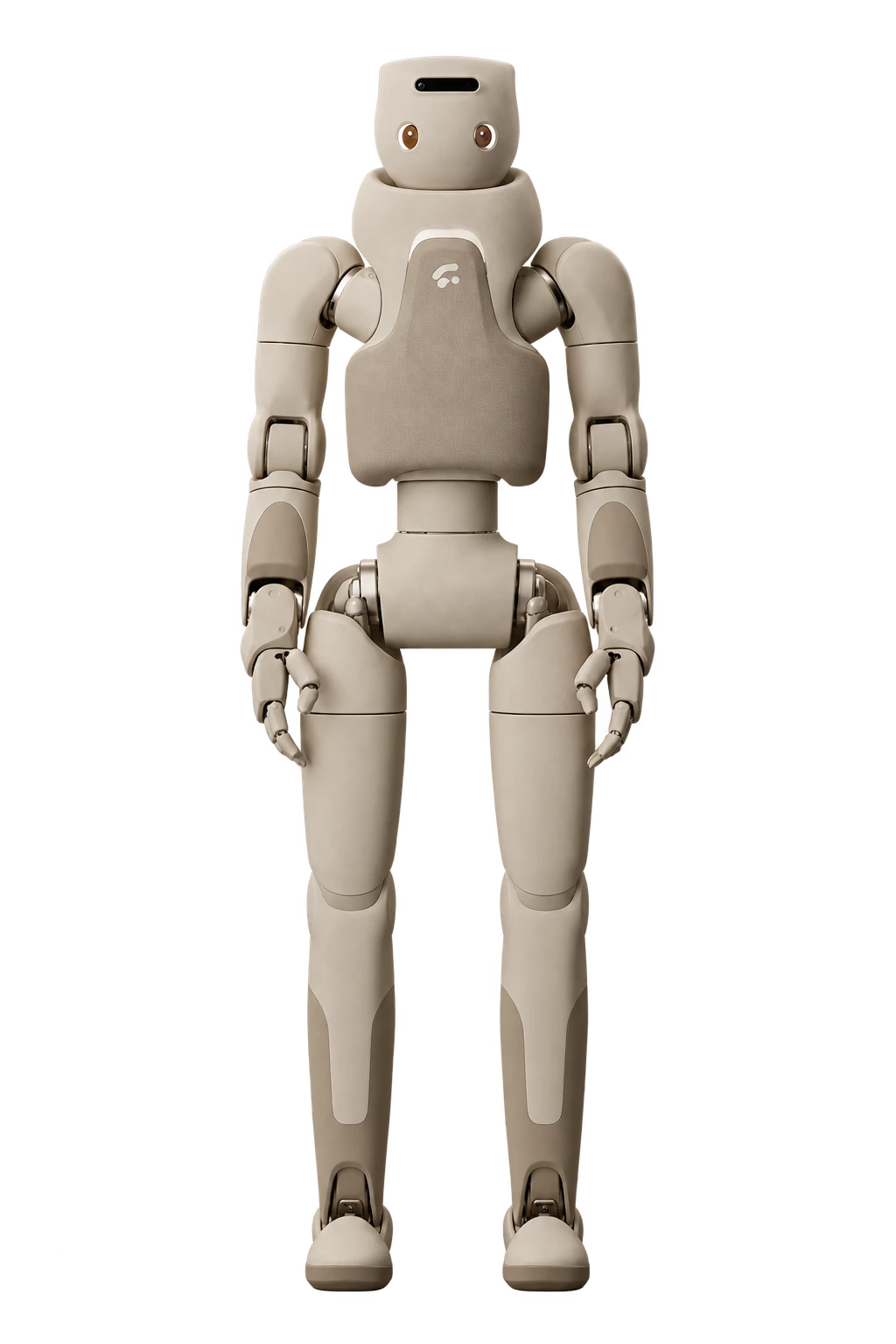
A humanoid focused on human interaction, with soft covers and touch sensors.
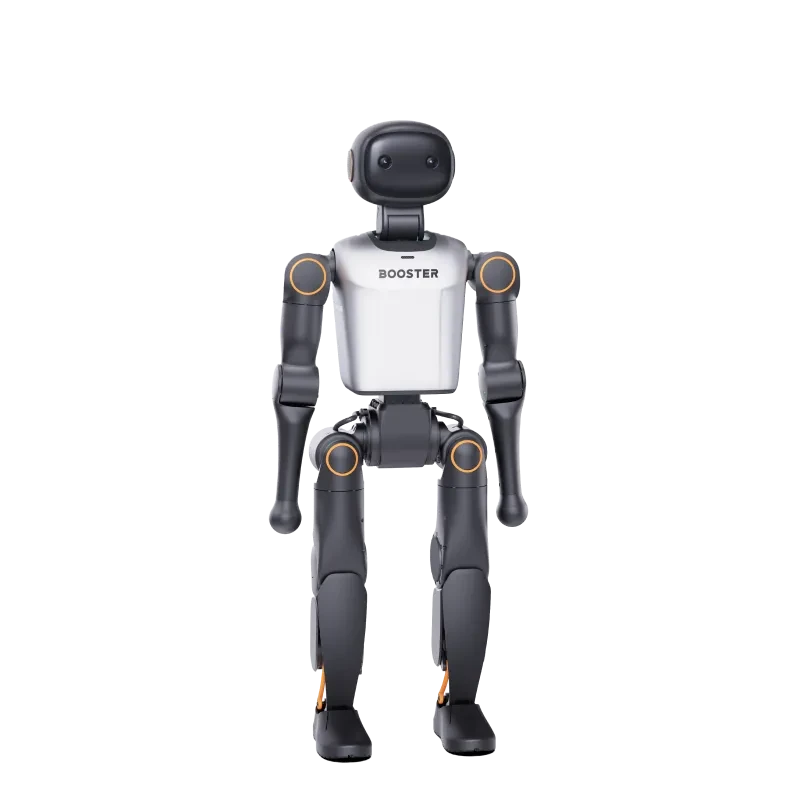
Compact humanoid for education, motion programming and robot football.
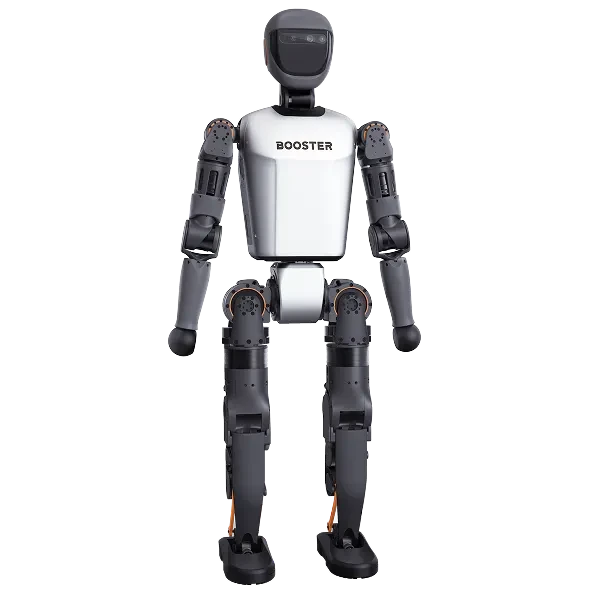
Developer platform for locomotion, interaction and whole-body control research.
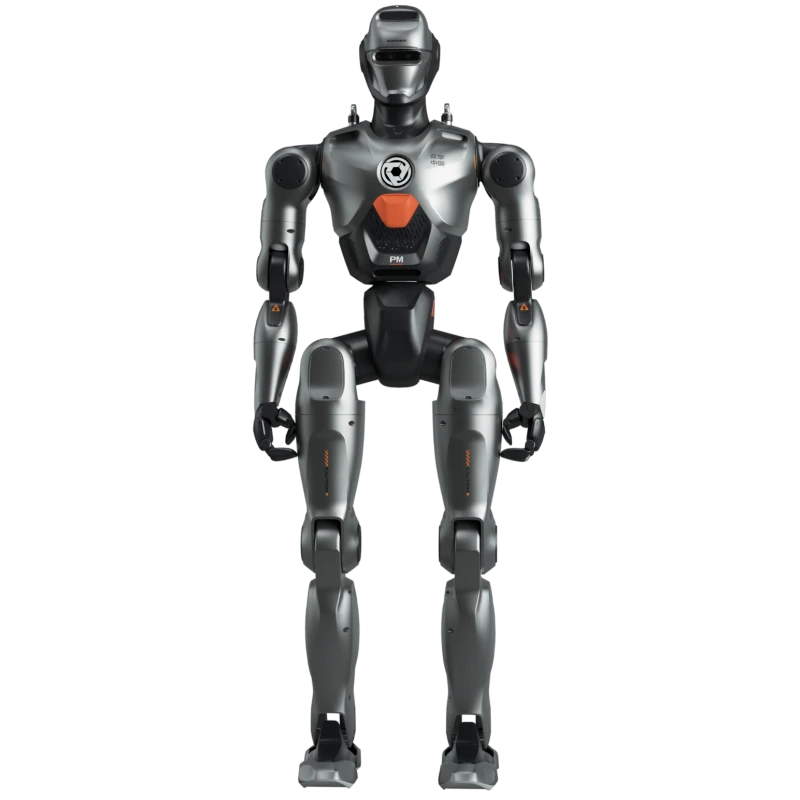
Humanoid for motion and perception development, with distinct education and navigation configurations.
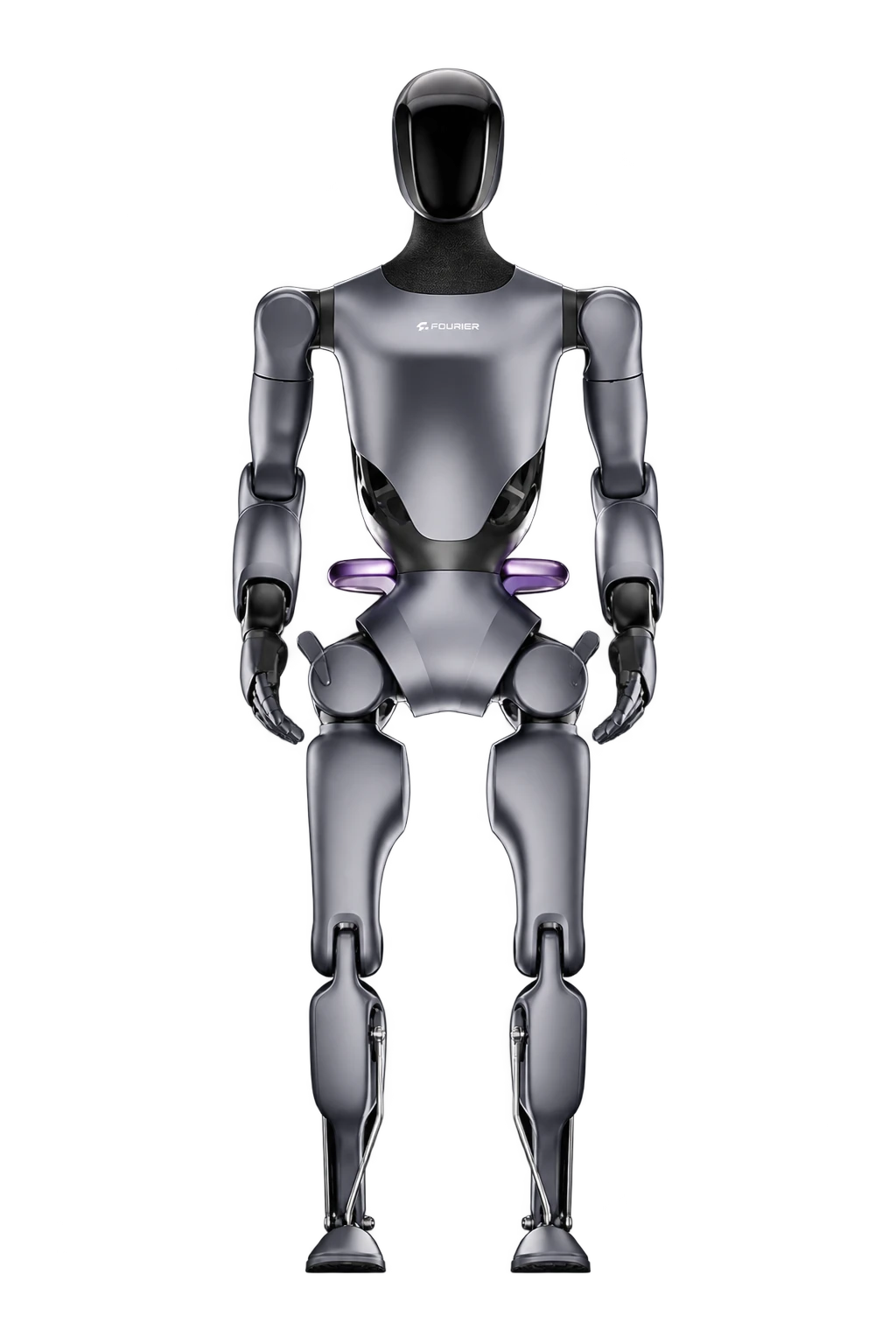
Full-size research platform with a removable battery and hand variants for manipulation experiments.
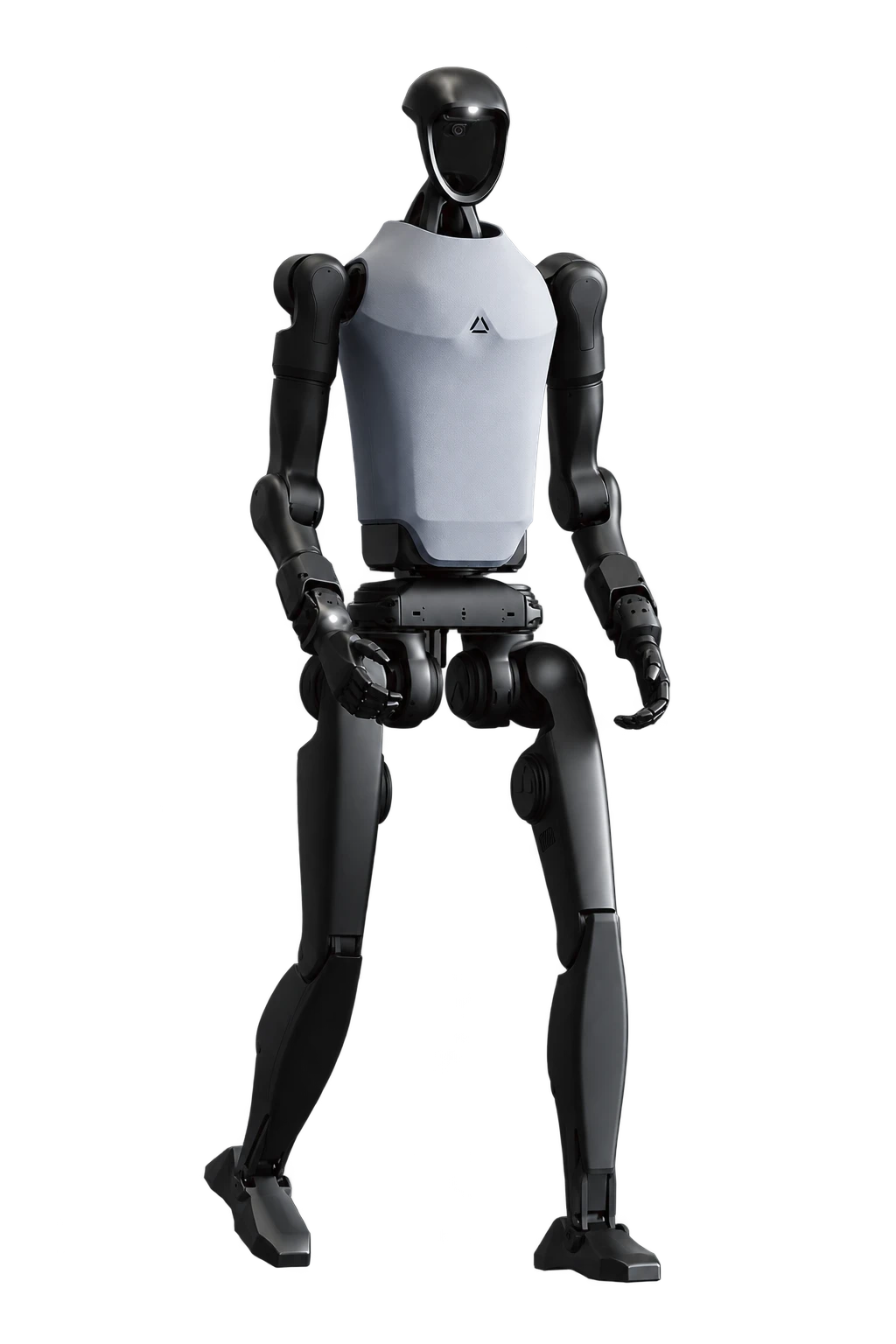
Distinct H1-family configuration with expanded arms and legs for motion and manipulation research.
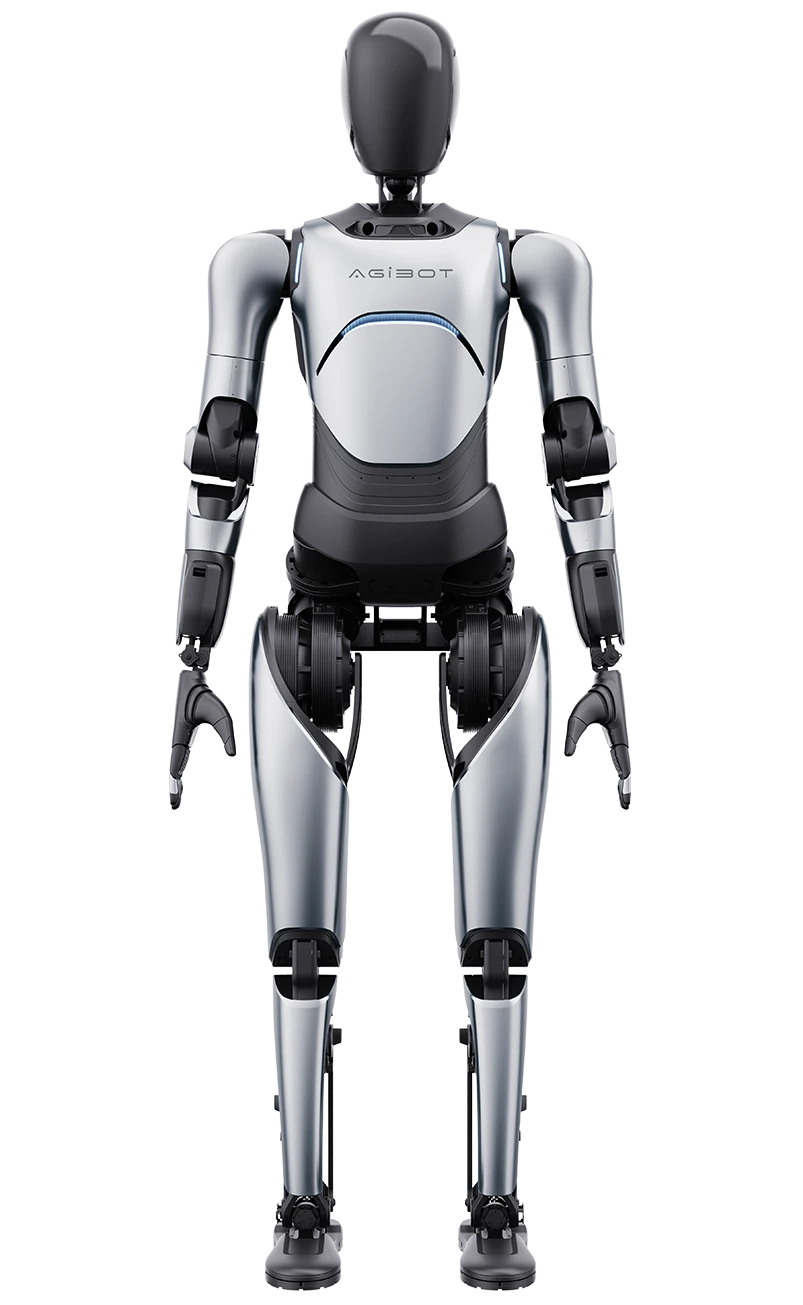
Humanoid for interaction and presentations. Distinguish the selected A2 configuration from equipment shown in demonstrations.
Full-size humanoid for choreography and shows. Assess it as part of an event service with preparation and an operator.
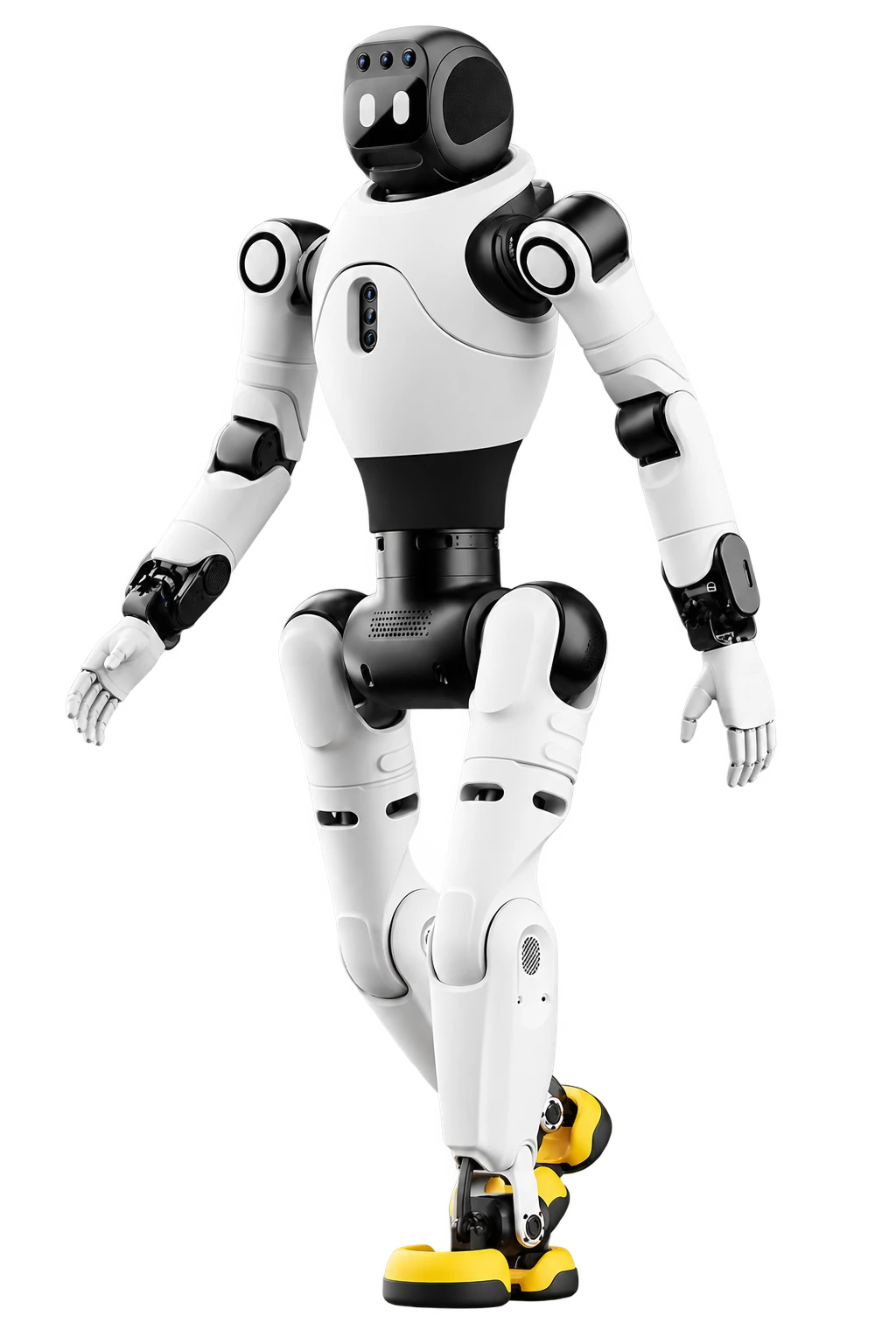
Compact Ultra variant combining motion demonstrations and application development. Do not mix its specifications with base X2.
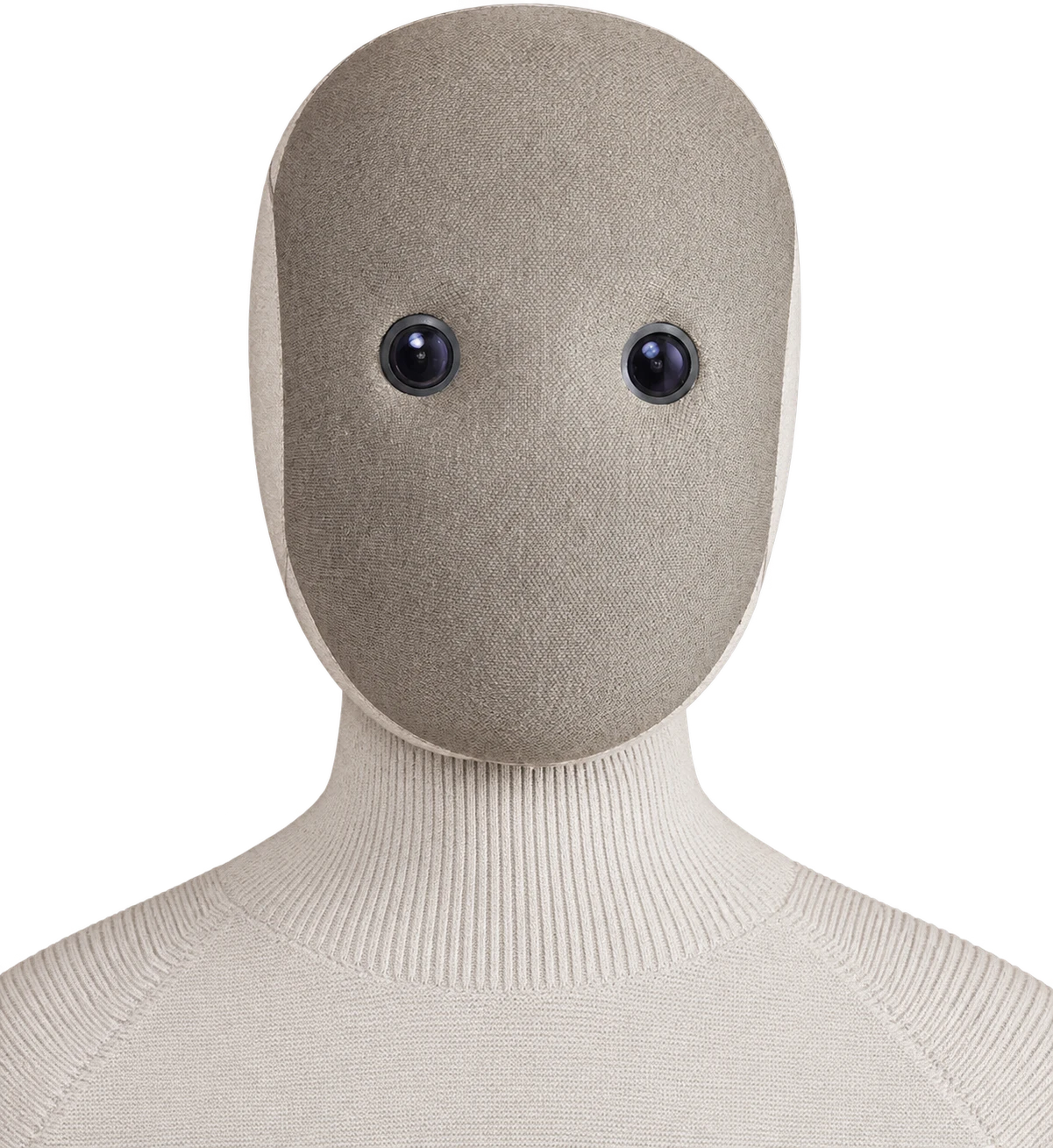
Humanoid developed primarily for homes. Early Access is worth watching, but is not a ready-made B2B service.
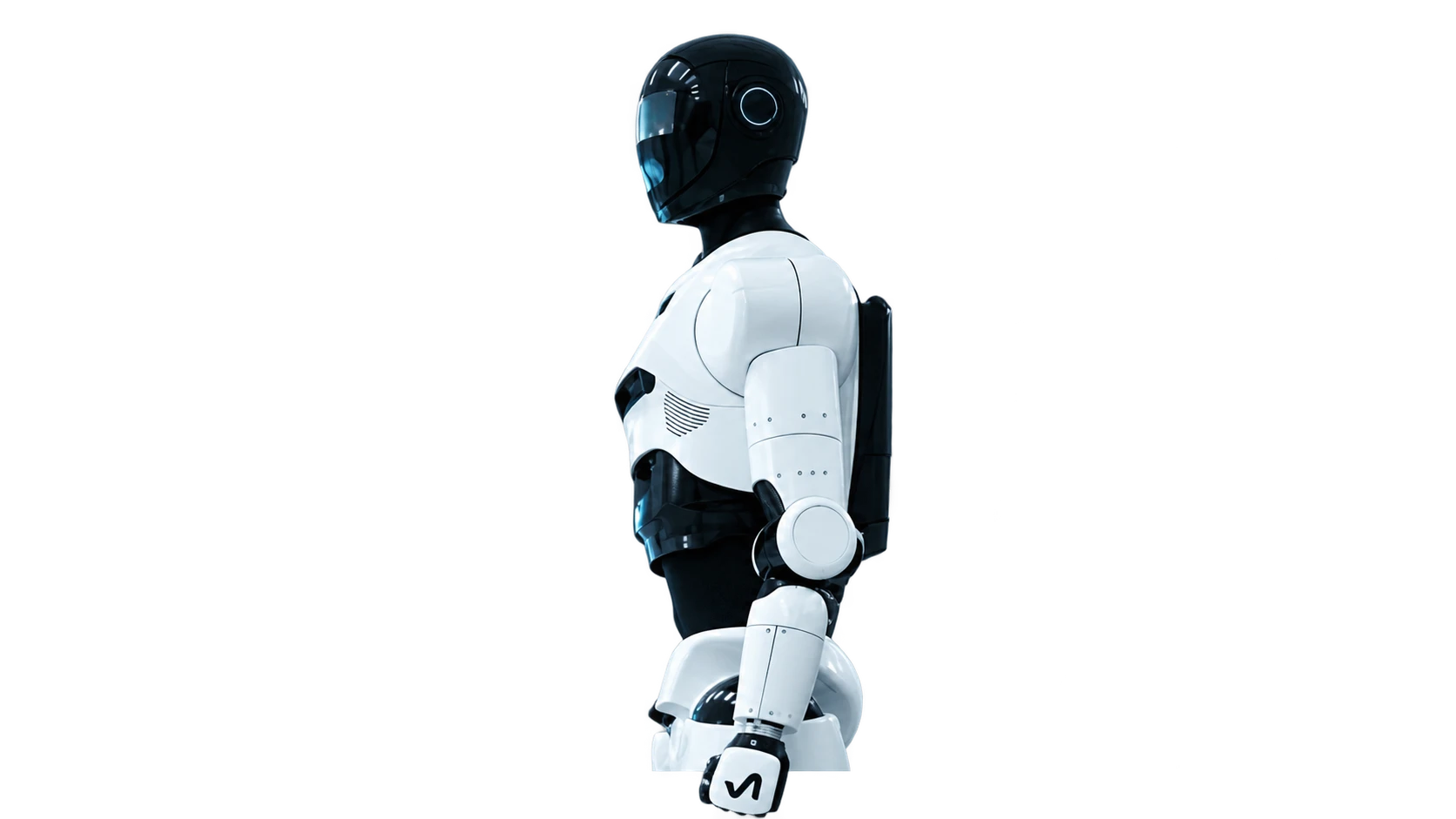
The bipedal 4NE1 configuration for manipulation and human-interaction development. Confirm equipment and control access.
Full-size research platform with interchangeable equipment and programming interfaces. Selection starts with the version and SDK scope.
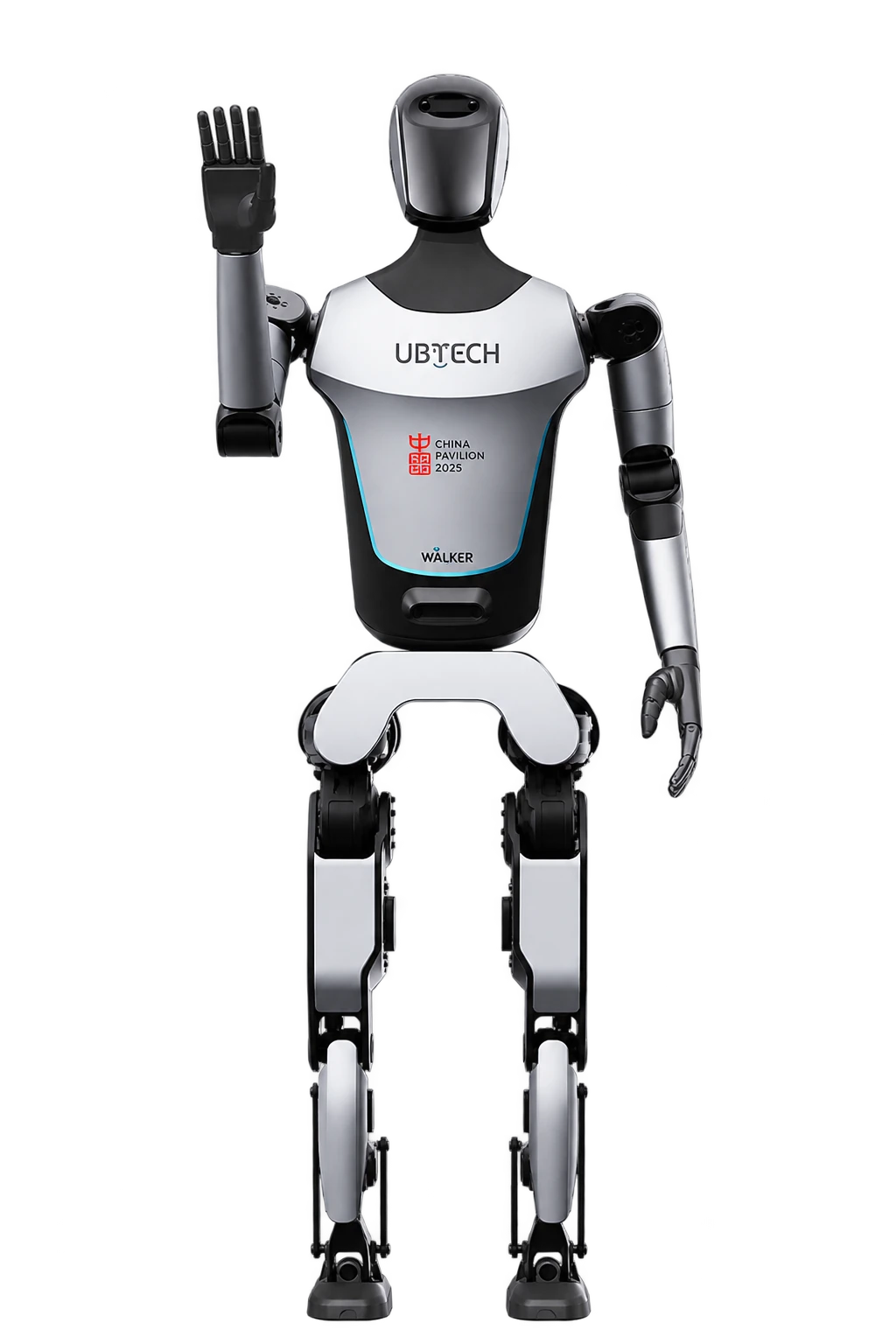
Humanoid for guiding and visitor interaction. Public use requires prepared content and an operating plan.
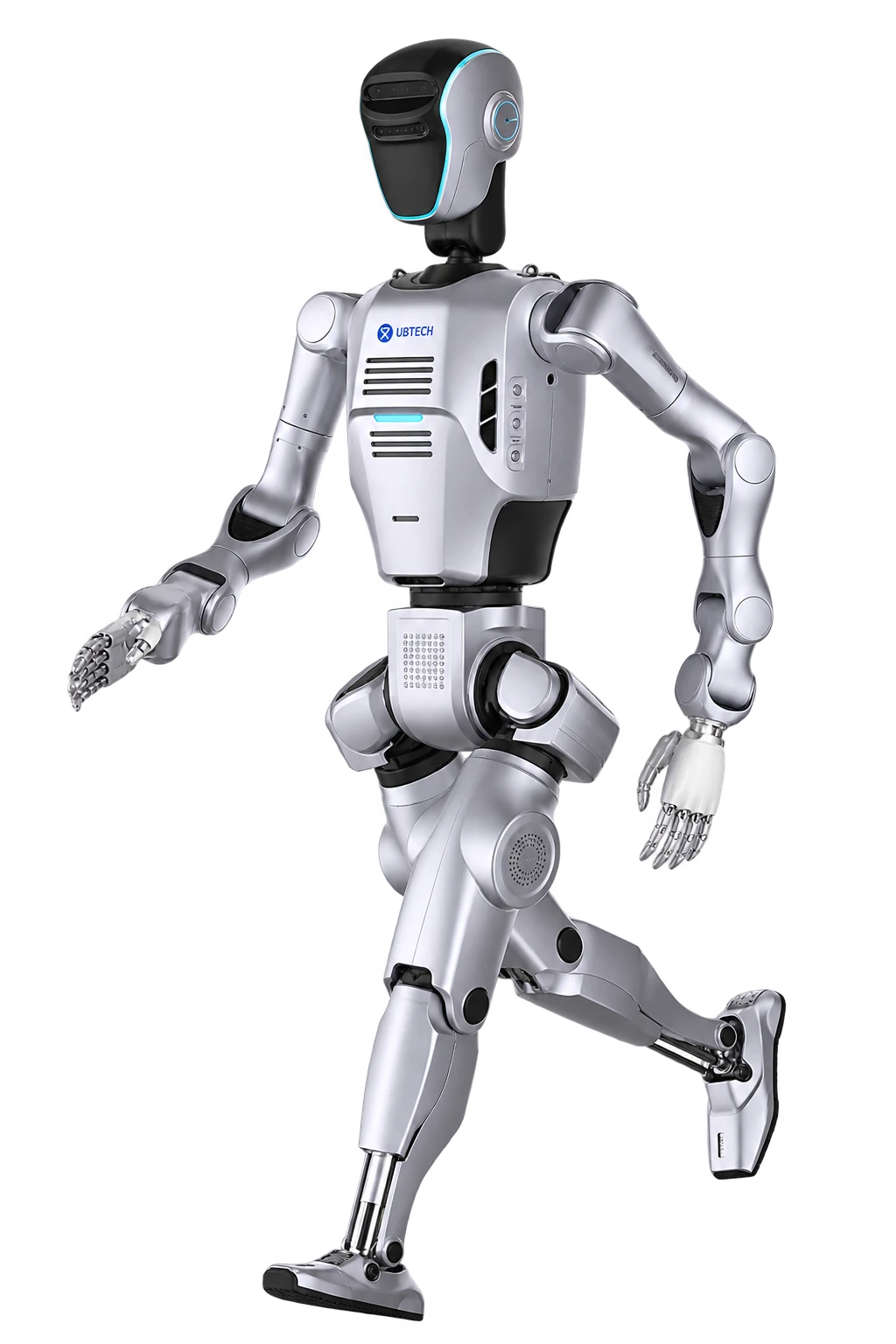
Humanoid for manipulation and interaction development. Confirm the Max hand, camera and development-tool package.
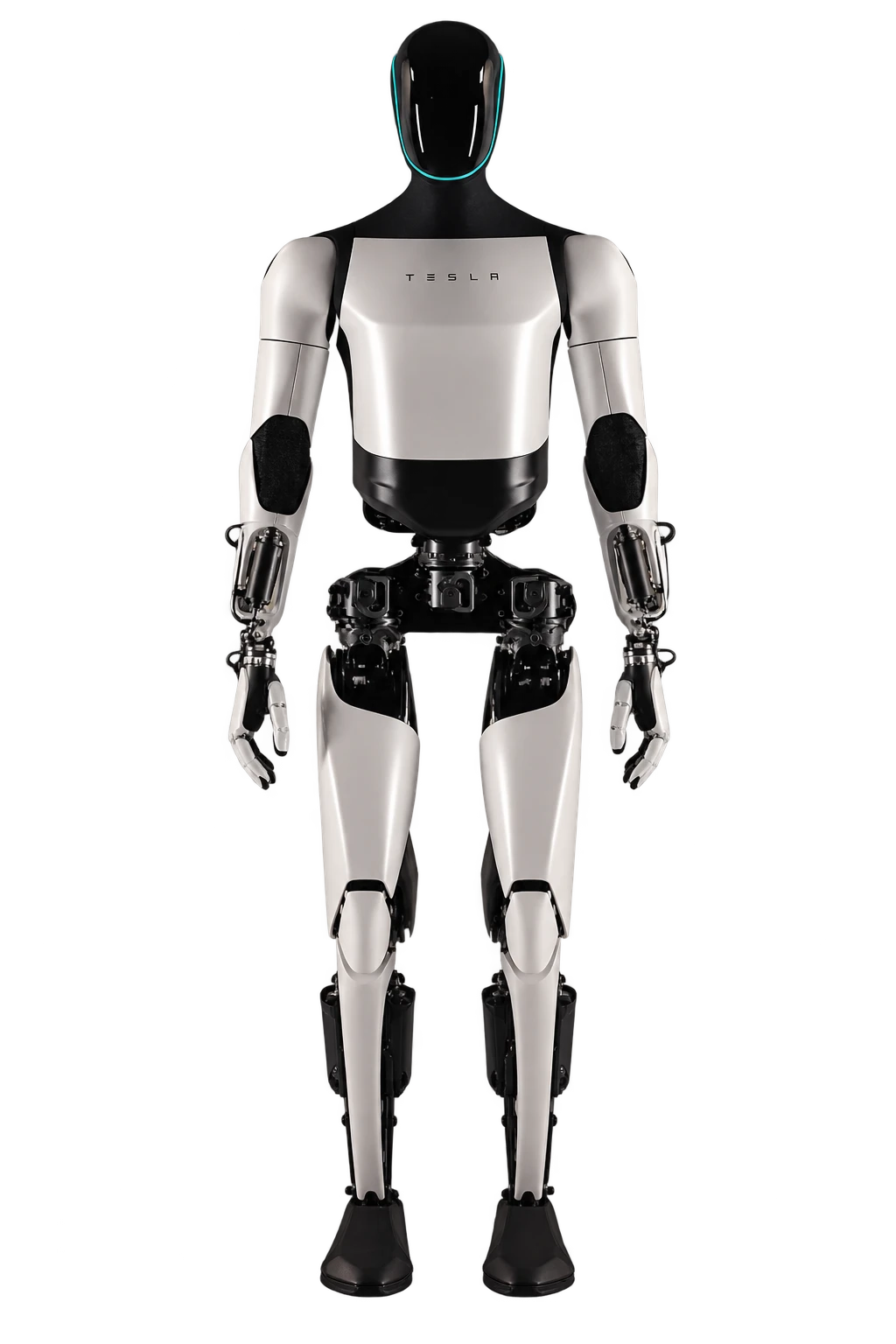
General-purpose humanoid project. A relevant market watch item, without a confirmed Polish B2B offer here.
XPENG humanoid project. Production-line commissioning is a development signal; availability for a specific customer remains a separate question.
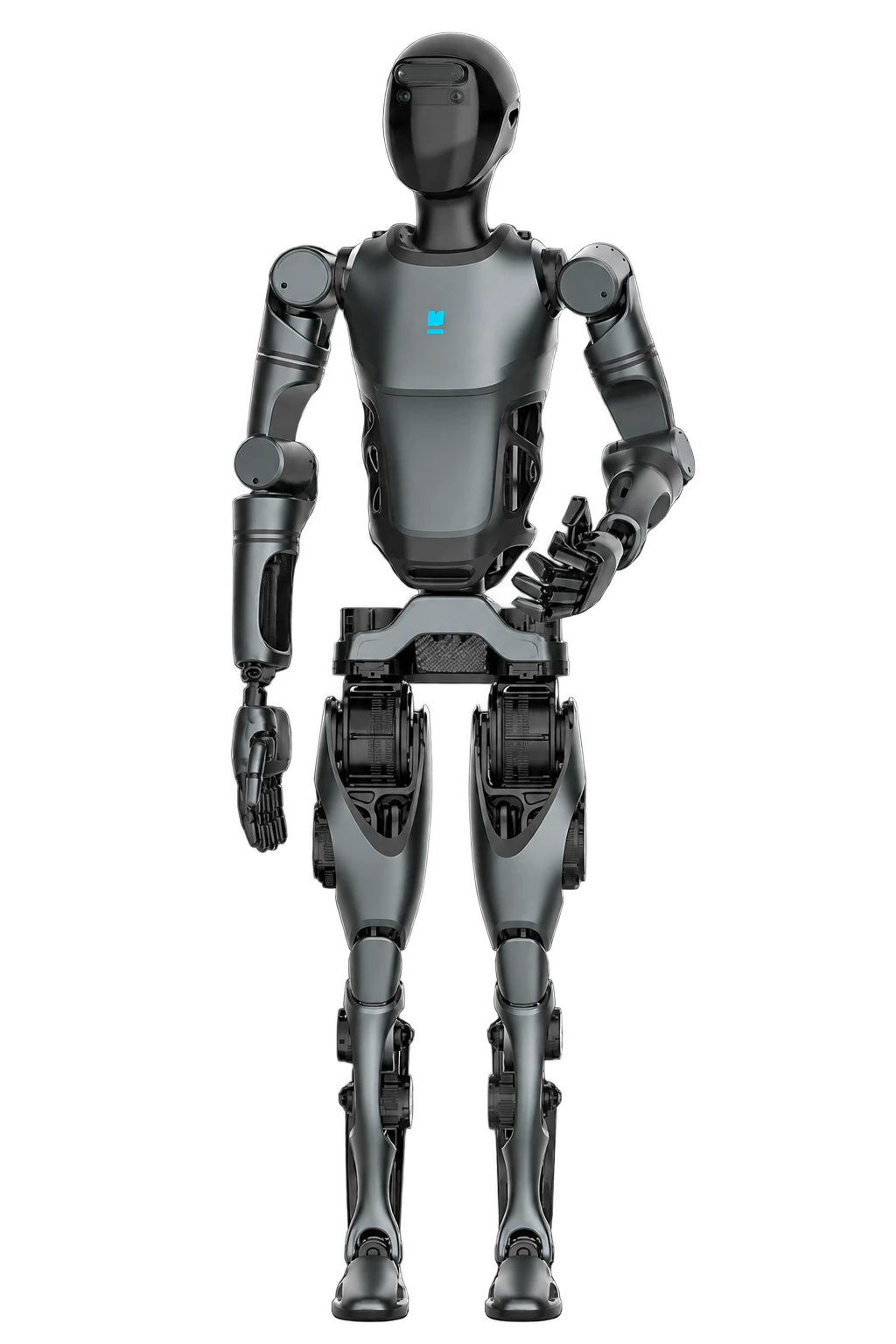
Full-size PUDU humanoid for manipulation, locomotion and interaction development.
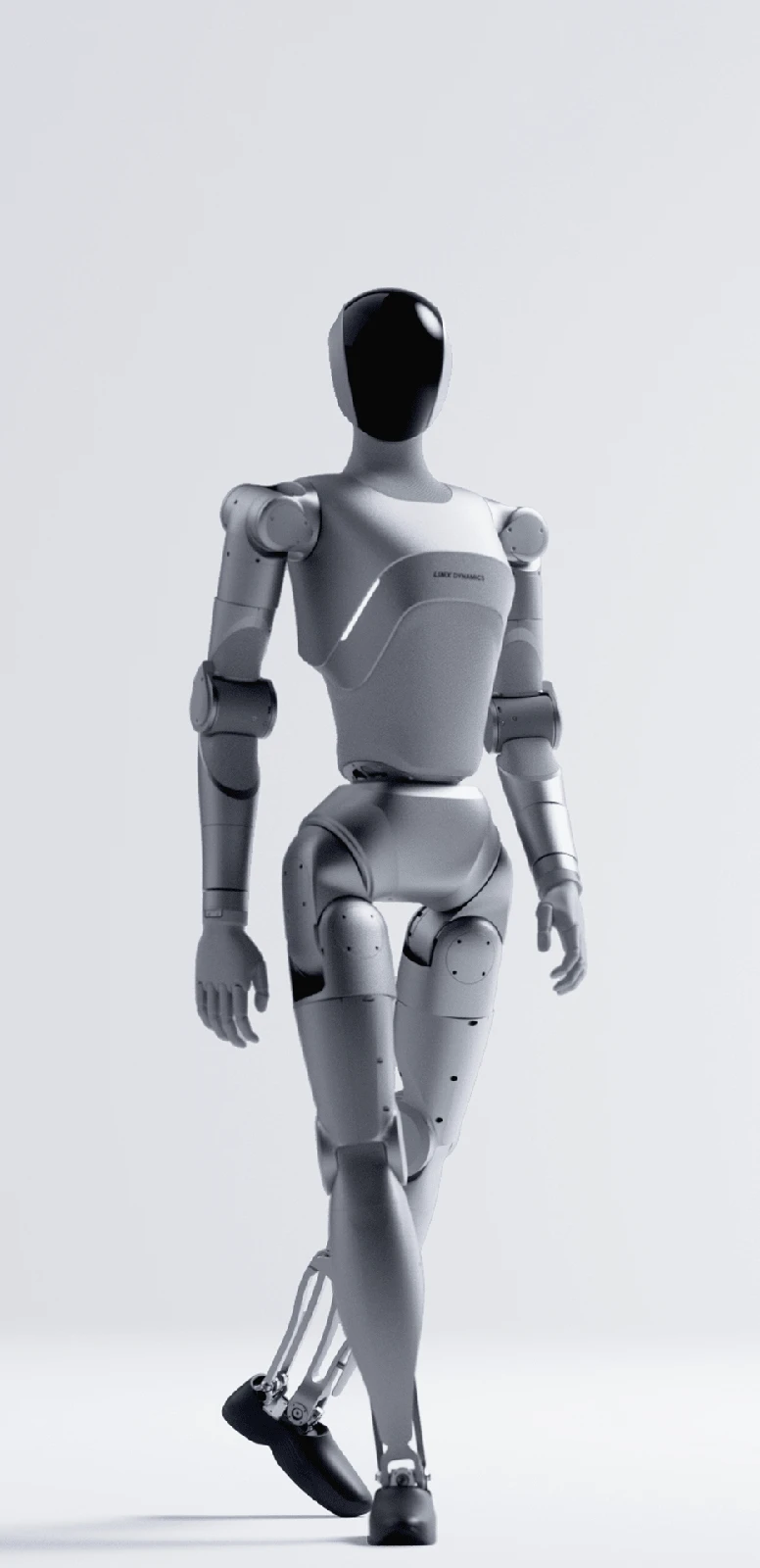
Humanoid focused on expressive motion, demonstrations and interaction, with choreography tools.
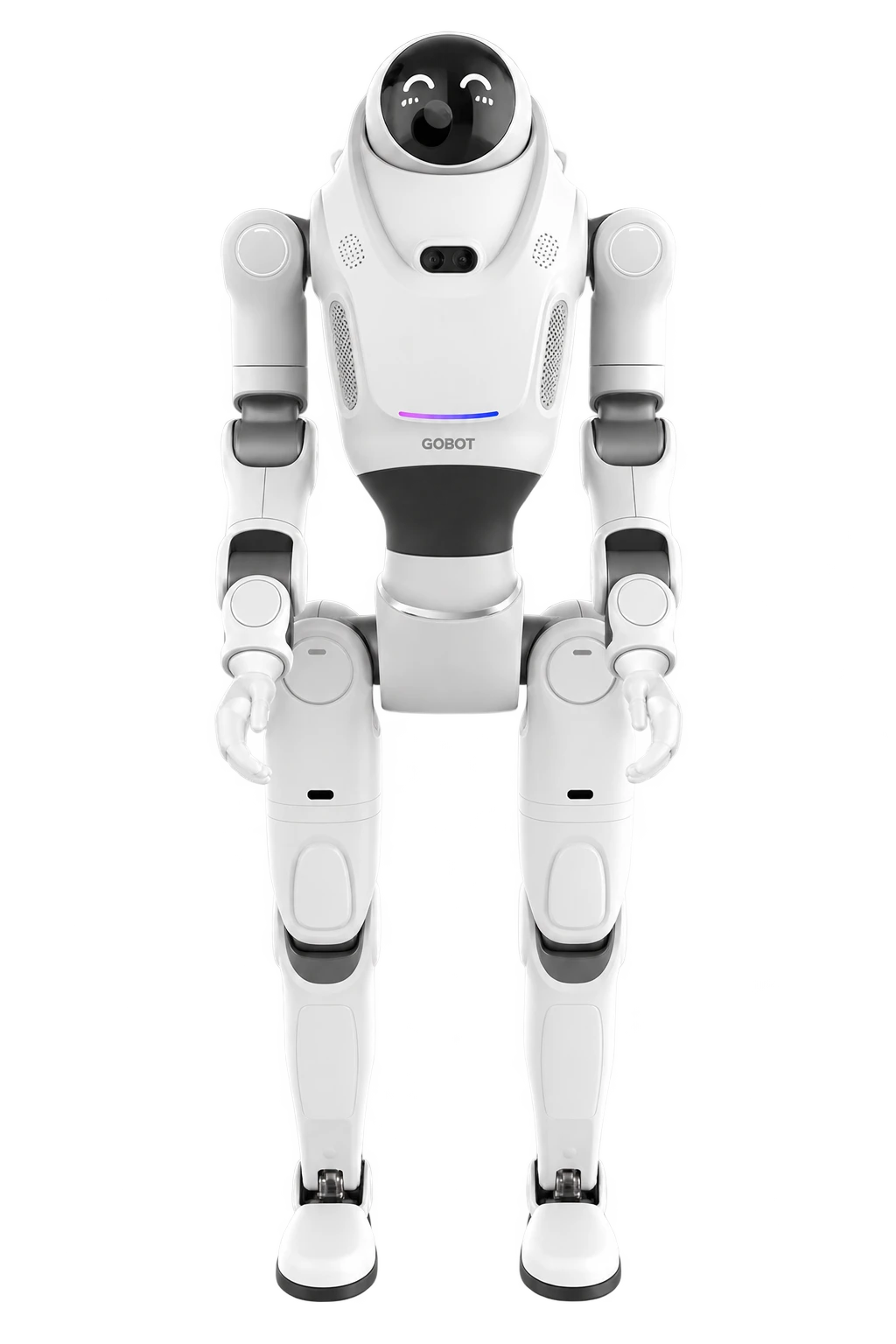
Humanoid presented by DOBOT for education, interaction and application development.
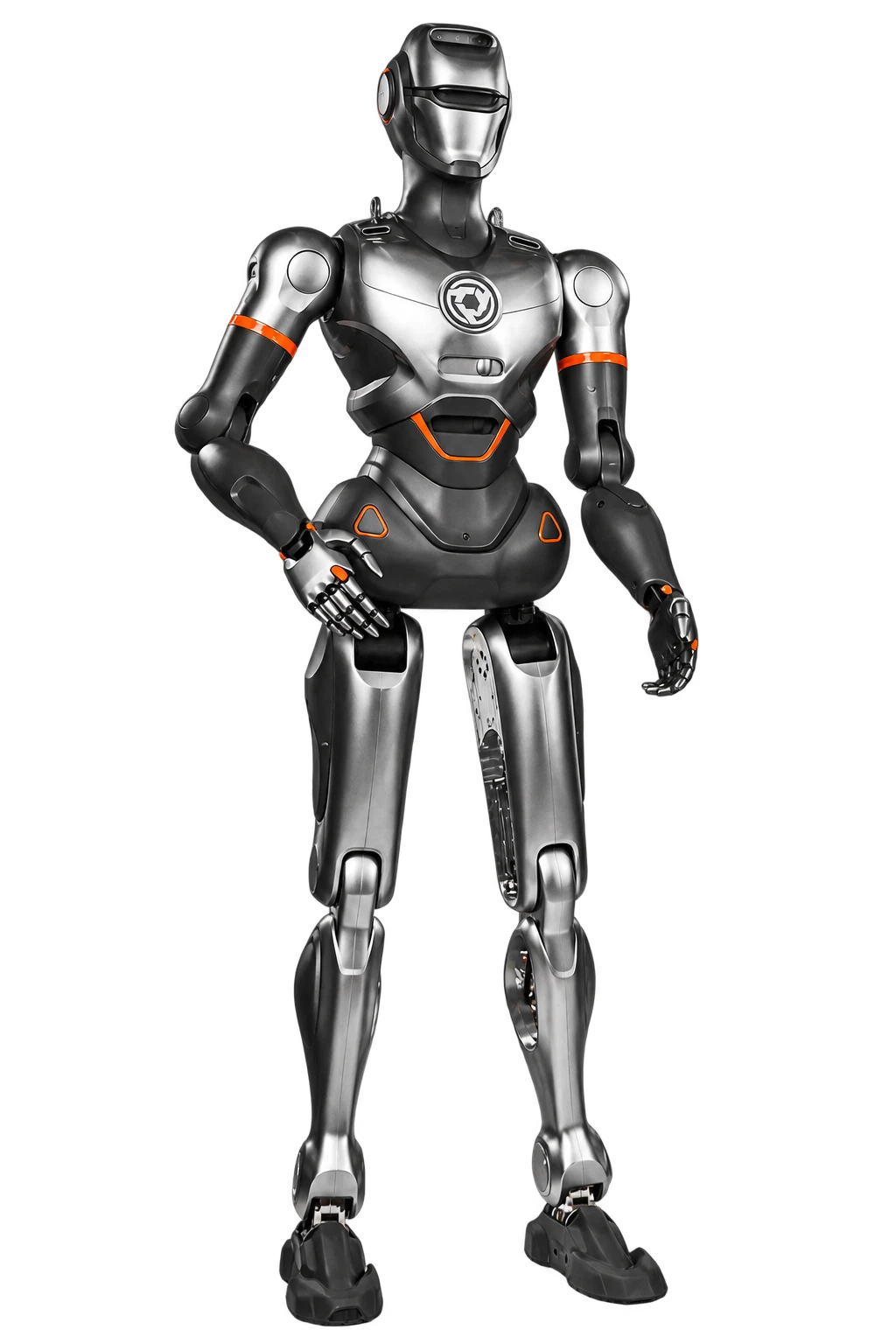
Full-size humanoid for locomotion and manipulation assessment. The manufacturer demonstrates gait and a six-degree-of-freedom hand.
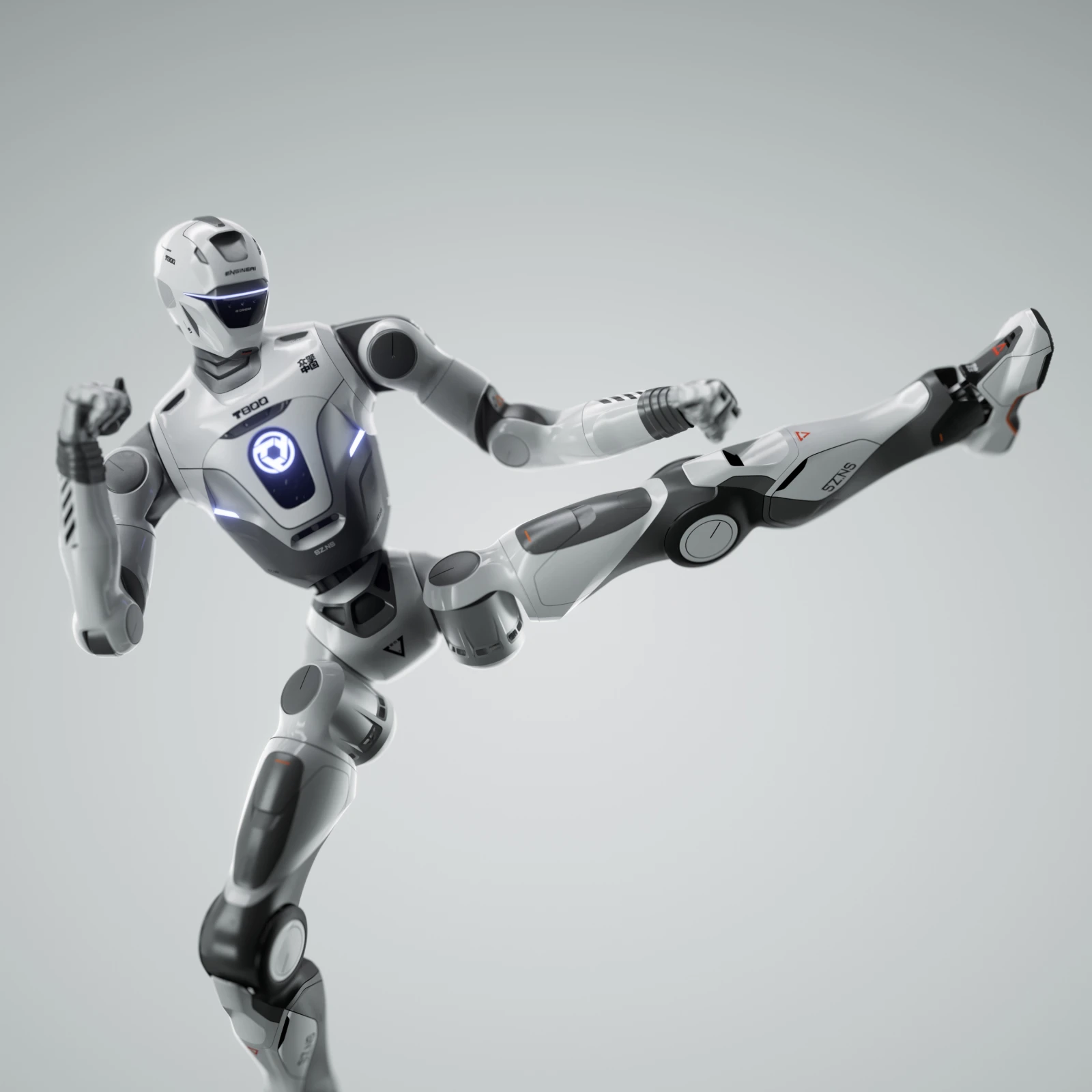
Full-size humanoid family with Basic, Open Source, Pro and Max editions. Control access and equipment depend on the version.
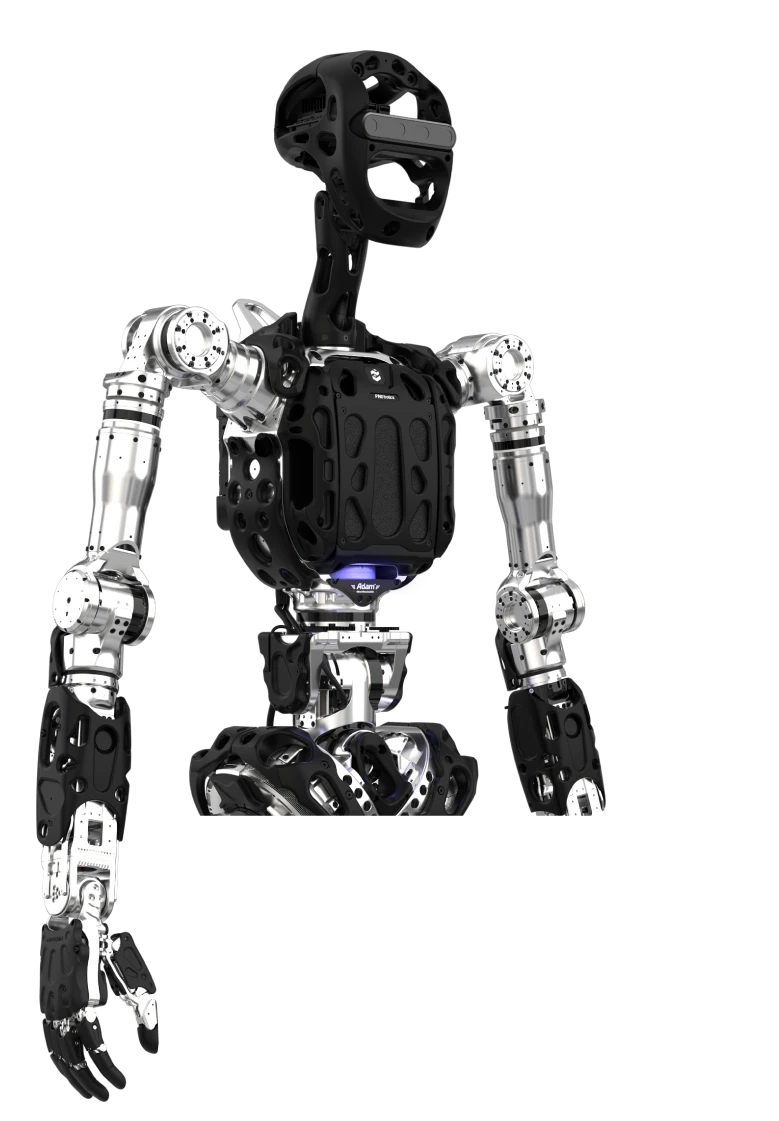
Modular Adam Lite, Standard, SP and Pro research family. Documentation covers control interfaces, simulation models and module maintenance.
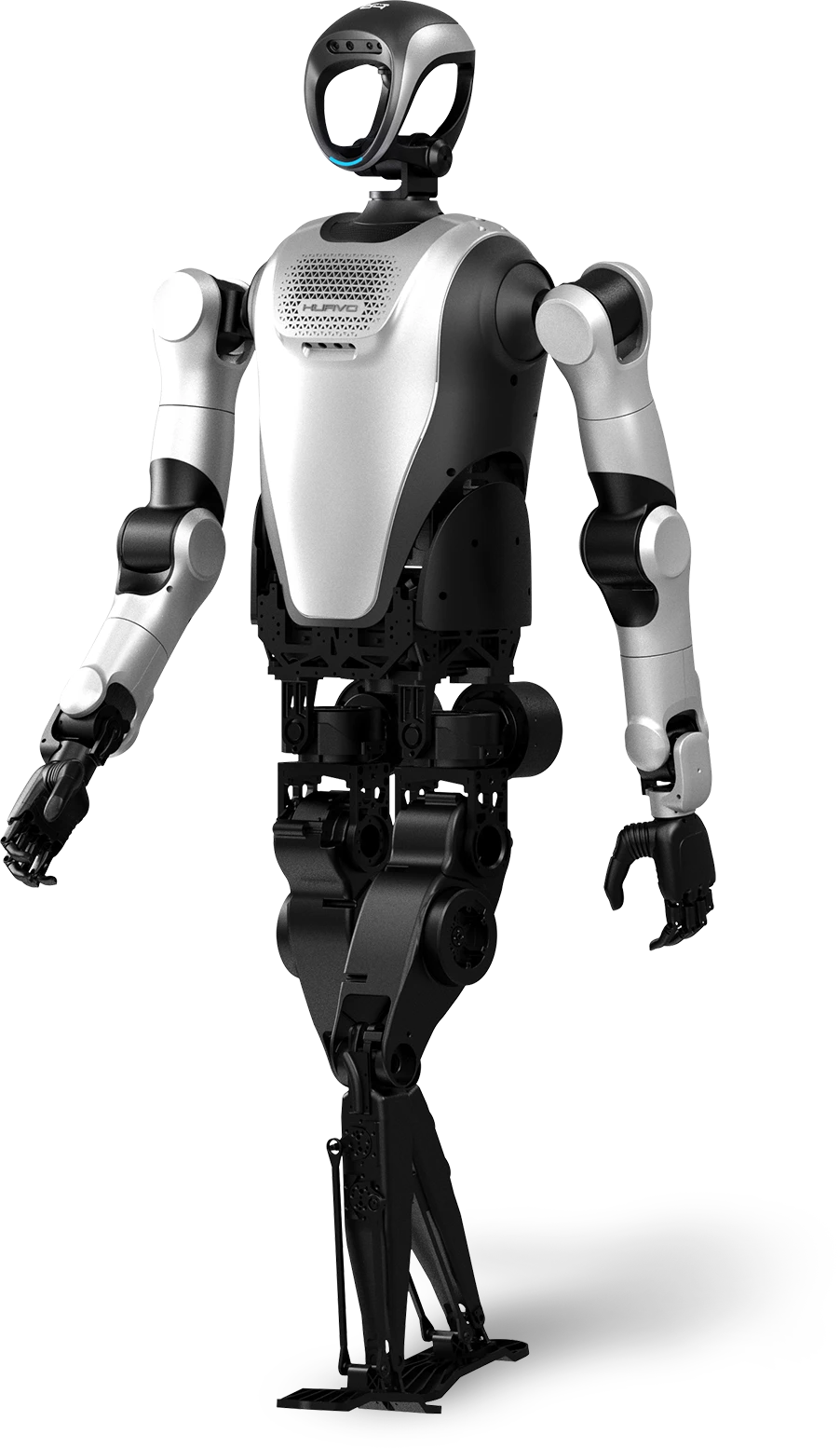
Full-size humanoid for research applications and interaction scenarios. The manufacturer shows different arm, head and hand configurations.
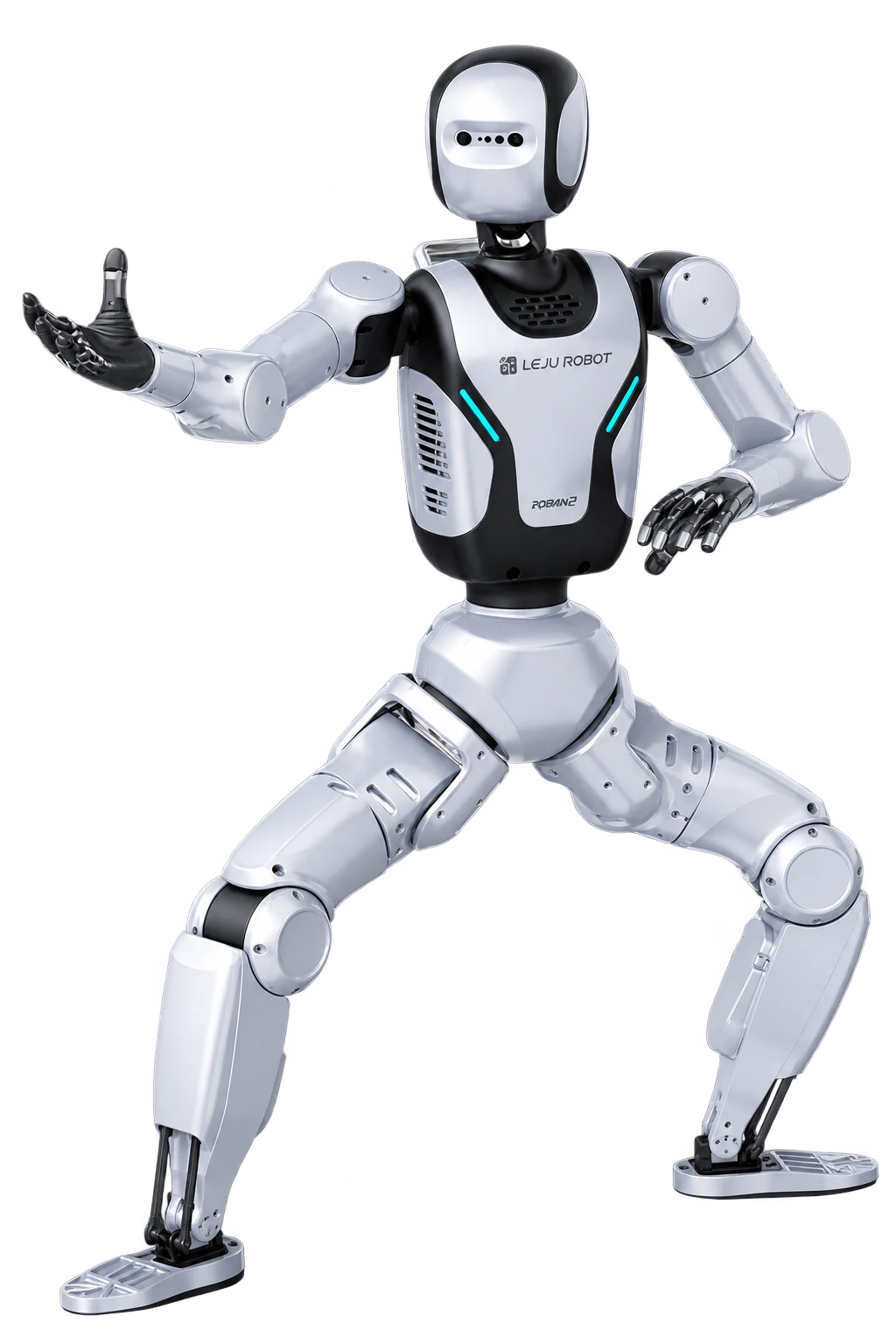
Smaller humanoid platform for education, demonstrations and application development. Configurations differ in hands, perception and computing.
G1 or R1: compare experiment requirements, hand equipment and programming access.
Read the analysis ↗Humanoid comparisonsCompact G1 and full-size H2 require different space, logistics and test organisation.
Read the analysis ↗Humanoid comparisonsTwo routes to logistics manipulation: compare the complete workflow and deployment access.
Read the analysis ↗Humanoid comparisonsIndustrial humanoids: load, battery infrastructure and maintenance in one comparison.
Read the analysis ↗Humanoid comparisonsTwo interaction humanoids: compare dialogue, guiding routes and operator involvement.
Read the analysis ↗Humanoid comparisonsCompact platforms: determine whether the project needs choreography, control access or hand operation.
Read the analysis ↗Separate hardware finance from task development, licences and technical support.
Read the analysis ↗HUMANOIDS / B2B DECISIONSA demonstration includes preparation and logistics, not merely handing over a device.
Read the analysis ↗HUMANOIDS / B2B DECISIONSDistinguish recorded demonstrations, operator control and autonomous task execution. Questions before a pilot.
Read the analysis ↗HUMANOIDS / B2B DECISIONSStart with the tote, grasp and destination before comparing a humanoid with an AMR.
Read the analysis ↗HUMANOIDS / B2B DECISIONSCompare university and R&D platforms: control access, licences, sensors, documentation and laboratory equipment.
Read the analysis ↗HUMANOIDS / B2B DECISIONSTest real tasks: cycle time, interventions, repeatability and rollout decisions.
Read the analysis ↗HUMANOIDS / B2B DECISIONSWhy a model name is insufficient for ordering actuators, batteries or hands. A practical identification and stocking process.
Read the analysis ↗HUMANOIDS / B2B DECISIONSCheck dependencies that determine operation after delivery and after the pilot.
Read the analysis ↗Selection. Comparison. Coordination.
Choose a humanoid for a defined workflow: compare configurations, autonomy, availability and pilot terms.
Explore our advisory supportThe device price is only part of a project budget. Include the hardware configuration, integration, licences, training, operation and parts. Compare quotations for the same task and period. HumanoidPoint does not publish a confirmed commercial price list; calculator amounts are illustrative user assumptions.
Read the full guide ↗A video alone does not establish whether a robot acts autonomously, replays a sequence or uses teleoperation. Ask about the operator’s role, interventions and filming conditions. In a pilot, measure the complete task: successful attempts, failures, supervision time and responses to environmental changes.
Read the full guide ↗Choose one task and representative loads. Record the route, grasping, throughput, failures and operator involvement. Compare results with the current process and a simpler transport robot. Agree acceptance criteria before testing; one successful run is insufficient to plan an entire shift.
Read the full guide ↗